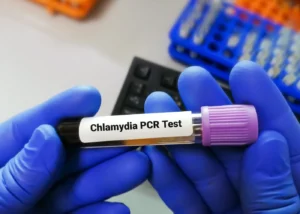
Chlamydia Treatment in Indore: Symptoms, Testing & Medical Care
If you are worried about a possible sexually transmitted infection (STI), it is natural to have questions about testing, treatment, and what to do next. You may have noticed unusual discharge, discomfort during urination, or no symptoms at all but recently learned that a sexual partner tested positive. Chlamydia is a common sexually transmitted infection caused by a bacterium called Chlamydia trachomatis. Many people do not notice any symptoms, so an infection can go undetected without testing. The good news is that chlamydia is treatable with appropriate antibiotics prescribed by a healthcare professional. Early diagnosis and treatment can help reduce the risk of complications and prevent transmission to sexual partners. If you are searching for Chlamydia Treatment in Indore, understanding how the infection spreads, how testing works, and when to seek medical advice can help you make informed decisions about your health. There is no need to feel embarrassed about asking for help. Seeking appropriate care is a responsible step toward protecting your health and your partner’s health.
What Is Chlamydia and How Does It Affect the Body?
Chlamydia is a bacterial infection that can affect the genital tract, rectum, and sometimes the throat. It is usually transmitted through sexual contact with someone who has the infection. The infection may cause inflammation in the affected area. However, many people experience no noticeable symptoms, even when the infection is present. Chlamydia can affect people of different ages and genders. It is not a sign of poor hygiene, and a diagnosis should not be a reason for shame or blame. The infection can usually be treated with appropriate antibiotics. However, symptoms alone cannot confirm chlamydia because other conditions can cause similar problems. Testing is important when an infection is suspected.
What Are the Symptoms of Chlamydia?
Chlamydia symptoms vary from person to person. Some people develop symptoms within days or weeks after exposure, while others may not notice any symptoms at all. Possible symptoms include unusual discharge, discomfort during urination, pelvic pain, or rectal symptoms. These signs can also occur with other infections or medical conditions, so professional assessment is important.
What Are the Symptoms of Chlamydia in Women?
Possible symptoms in women include:
- Unusual vaginal discharge
- Burning or discomfort while urinating
- Pain in the lower abdomen or pelvis
- Bleeding between periods
- Bleeding after sexual intercourse
- Pain during sexual intercourse
Some women may have only mild symptoms or no symptoms. If left untreated, chlamydia can sometimes spread to the reproductive organs and cause pelvic inflammatory disease (PID). Seek medical advice if you experience unusual discharge, unexplained bleeding, or persistent pelvic discomfort.
What Are the Symptoms of Chlamydia in Men?
Possible symptoms in men include:
- Discharge from the penis
- Burning during urination
- Irritation around the opening of the penis
- Pain or swelling in one or both testicles in some cases
- Rectal discomfort, discharge, or pain if the rectum is affected
These symptoms do not always mean chlamydia is present. Other infections can cause similar problems, so testing and medical assessment are important. Sudden or severe testicular pain requires emergency assessment because it may have causes unrelated to chlamydia that need immediate treatment.
Can Chlamydia Occur Without Symptoms?
Yes. Many people with chlamydia have no obvious symptoms. A person may feel completely healthy while still having an infection that can be passed to a sexual partner. This is one reason testing is important after a possible exposure or when a partner has been diagnosed. If you have had sexual contact with someone who tested positive, contact a healthcare professional for advice about testing and treatment, even if you feel well.
How Does Chlamydia Spread?
Chlamydia can spread through sexual contact involving an infected site. Transmission may occur through:
- Vaginal sex
- Anal sex
- Oral sex in relevant circumstances
- Contact involving infected genital secretions
A pregnant person with chlamydia can also pass the infection to their baby during childbirth. Chlamydia is not typically spread through hugging, ordinary social contact, sharing food, or using the same toilet. Using condoms correctly and consistently can reduce the risk of transmission, although protection is not absolute in every situation. If you are concerned about a possible exposure, a healthcare professional can help determine which tests are appropriate.
When Should You Get Tested for Chlamydia?
Testing may be appropriate in several situations, including:
- You have symptoms that could indicate an STI.
- A sexual partner has tested positive for chlamydia.
- You have had a possible exposure and are concerned about infection.
- A healthcare professional recommends testing based on your sexual health history.
- You meet screening recommendations based on your age and individual risk factors.
You do not need to wait for symptoms before seeking advice. However, the timing of testing can affect whether an infection is detected, so tell your healthcare professional when the possible exposure occurred. If you are looking for Chlamydia Treatment in Indore, confirm that your chosen provider offers the necessary assessment, testing, and treatment services.
How Is Chlamydia Diagnosed?
Chlamydia cannot be reliably diagnosed from symptoms alone. A healthcare professional may recommend a laboratory test based on your symptoms, sexual history, and possible exposure.
Urine Testing
A urine sample can be used to test for chlamydia in appropriate circumstances. The healthcare professional will explain how to provide the sample and whether any preparation is needed.
Swab Testing
A swab may be collected from an appropriate site, such as the vagina, cervix, rectum, or throat, depending on the person’s exposure and symptoms. For example, a urine test may not identify an infection at a different site. The appropriate sample should therefore be selected according to the clinical assessment.
Why Is Accurate Testing Important?
Several infections can cause similar symptoms, including burning during urination and unusual discharge. A clinician may recommend testing for other STIs, such as gonorrhoea, depending on your symptoms and exposure. Additional tests may also be appropriate based on your medical history. Before arranging testing, confirm the available tests, sample requirements, confidentiality arrangements, and any follow-up process with the provider.
What Is the Treatment for Chlamydia?
Chlamydia is generally treated with antibiotics prescribed by an appropriate healthcare professional. The medicine and treatment duration depend on current clinical guidance and individual circumstances. Pregnancy, possible infection at different body sites, other medical conditions, and other medicines may affect the treatment plan.
During treatment, it is important to:
- Follow the prescribed instructions.
- Complete the treatment as directed.
- Avoid using leftover antibiotics.
- Never share prescription medicines with another person.
- Inform your healthcare professional about allergies, pregnancy, and other medicines you take.
- Follow advice about sexual activity and partner treatment.
Symptoms may improve before the infection has been fully treated. Feeling better does not necessarily confirm that the infection has cleared. Do not self-medicate or assume that an antibiotic used for another infection will treat chlamydia.
How Long Does Chlamydia Treatment Take?
The prescribed antibiotic course may be relatively short, but the treatment plan and follow-up depend on your circumstances. Your healthcare professional should explain when it is safe to resume sexual activity. General guidance is to avoid sex for seven days after single-dose treatment or until a seven-day treatment course has been completed. You should also wait until symptoms have resolved and your sexual partners have received the recommended treatment.
A repeat test is commonly recommended around three months after treatment because reinfection is relatively common. A test to confirm cure is not routinely required for every non-pregnant person, but it may be recommended in certain circumstances. Pregnant patients need specific follow-up guidance from their healthcare professional. Follow the advice given for your situation rather than relying on symptoms alone.
Can Chlamydia Cause Complications if Left Untreated?
Chlamydia can sometimes lead to complications when it remains untreated. However, timely diagnosis and appropriate treatment can reduce these risks.
Possible Complications in Women
Untreated chlamydia can spread to the reproductive organs and cause pelvic inflammatory disease. This may increase the risk of chronic pelvic pain, ectopic pregnancy, and fertility problems. Not everyone with chlamydia develops these complications, but early assessment is important.
Possible Complications in Men
In some men, chlamydia can cause inflammation of the epididymis, the tube that carries sperm from the testicle. This may lead to pain and swelling. Fertility-related complications are less common, but persistent symptoms should be evaluated.
Chlamydia During Pregnancy
Pregnant people who may have chlamydia should seek appropriate medical care. Untreated infection can create risks during pregnancy and may be passed to the baby during childbirth. A healthcare professional can recommend suitable treatment and follow-up based on pregnancy status.

Can Chlamydia Come Back After Treatment?
Yes. A person can become infected again after successful treatment if they are exposed to chlamydia another time.
Possible reasons include:
- A sexual partner did not receive treatment.
- A new sexual partner has an untreated infection.
- Sexual activity resumed before the recommended waiting period ended.
- Treatment instructions were not followed.
Reinfection does not automatically mean that the original antibiotic treatment failed. Partner assessment and treatment are important for reducing the risk of passing the infection back and forth. Follow any recommendation for repeat testing, even if your symptoms have disappeared.
Should Your Sexual Partner Also Be Tested and Treated?
Yes, recent sexual partners may need evaluation and treatment, even if they have no symptoms. Your healthcare professional can explain which partners should be notified and what testing or treatment they may need. Partner management helps reduce reinfection and further transmission. It is best to approach this conversation calmly and without blame. Chlamydia can remain unnoticed for some time, so a diagnosis does not necessarily show when the infection began or who acquired it first. If you feel uncomfortable discussing partner notification, ask your healthcare professional about appropriate and confidential ways to manage the situation.
When Should You Seek Urgent Medical Care?
Some symptoms require prompt medical assessment.
Seek urgent care if you experience:
- Severe or worsening pelvic or lower abdominal pain
- Sudden or severe testicular pain or swelling
- Fever with significant pelvic or genital pain
- Severe pain during pregnancy or other concerning pregnancy symptoms
Sudden severe testicular pain is an emergency because conditions unrelated to an STI can also cause it and may need immediate treatment. If you have been diagnosed with chlamydia and develop new or worsening symptoms, contact a healthcare professional rather than assuming the symptoms are part of the usual recovery process.
Chlamydia Treatment in Vijay Nagar, Indore
People searching for Chlamydia Treatment in Vijay Nagar, Indore should look for a qualified healthcare professional or sexual health service that offers appropriate STI evaluation, testing, and treatment. Before booking an appointment, confirm that the provider actually offers chlamydia testing and treatment. Ask about available tests, confidentiality, treatment arrangements, and follow-up recommendations. Timely assessment is important even when symptoms are mild or absent. A healthcare professional can help determine whether testing is appropriate and explain the next steps.
How Can I Find a Chlamydia Doctor Near Vijay Nagar?
When searching for a Chlamydia Doctor Near Vijay Nagar, consider the provider’s relevant clinical qualifications and experience in STI evaluation. It is helpful to confirm that the provider can arrange suitable diagnostic testing, explain treatment options, handle medical information confidentially, and provide advice about partner management and follow-up. You should feel comfortable asking questions without fear of judgement. If a provider does not offer the service you need, ask where appropriate testing and treatment may be available.
Where Can I Get STI Testing in Vijay Nagar, Indore?
STI Testing in Vijay Nagar, Indore may be available through suitable healthcare providers or laboratories. However, testing availability and sample collection arrangements should be confirmed directly before visiting. Chlamydia testing may involve a urine sample or a site-specific swab. The appropriate test depends on the possible exposure, symptoms, and clinical assessment. A healthcare professional may also recommend tests for other STIs based on your circumstances. If you have a known exposure, explain when it occurred so the clinician can advise you about suitable testing and timing.
How Do You Choose an STD Clinic in Indore?
When looking for an STD Clinic in Indore, consider whether the service offers:
- Appropriate clinical assessment
- Reliable diagnostic testing
- Evidence-based treatment
- Confidential consultations
- Partner-management guidance
- Clear follow-up and repeat-testing advice
Confirm which services are actually available before booking. Do not assume that every general clinic or laboratory offers the same STI services. The right service should explain your options clearly and help you understand the steps needed to manage the infection and reduce the risk of reinfection.
When Should You Consult an STI Doctor in Indore?
An STI Doctor in Indore may be able to help if you have symptoms, a positive test result, a known exposure, or questions about preventing sexually transmitted infections. Testing may still be appropriate when you feel healthy, particularly after a partner’s diagnosis or a possible exposure. A healthcare professional can discuss the right tests, treatment options, partner notification, and whether follow-up testing is recommended. Seeking advice early can help reduce the risk of complications.
What Should You Look for in a Sexual Health Clinic in Indore?
When choosing a Sexual Health Clinic in Indore, look for respectful care, suitable testing, evidence-based treatment, and clear communication. Confidentiality is especially important when discussing sexual health. Before booking, ask how your information is handled and which services are available. A suitable service should also provide guidance on partner management, prevention, and follow-up where needed. You should be able to discuss your concerns without feeling blamed or judged.
STI Testing Near Scheme No. 78
If you are searching for STI Testing Near Scheme No. 78, check with an appropriate healthcare provider or laboratory to confirm that the required test is available. The correct sample may depend on whether the possible exposure involved the genital area, rectum, or throat. A healthcare professional can help select the appropriate test based on your symptoms, medical history, and exposure. Confirm the testing process and confidentiality arrangements before booking an appointment.
STD Treatment Near Dewas Naka
People looking for STD Treatment Near Dewas Naka should seek a qualified healthcare provider that offers the relevant STI diagnosis and treatment services. If you have symptoms or a partner has tested positive, do not delay seeking advice while waiting for symptoms to become more noticeable. Some infections can be present without obvious signs. Appropriate treatment, partner assessment, and follow-up can help reduce complications and the risk of reinfection. Confirm service availability directly with the provider.

How Can You Reduce the Risk of Chlamydia?
You can take practical steps to reduce your risk of chlamydia and other STIs.
- Use condoms correctly and consistently.
- Discuss STI testing with new partners when appropriate.
- Get tested according to clinical recommendations and individual risk.
- Seek advice after a possible exposure.
- Ensure partners receive recommended assessment and treatment.
- Follow the recommended waiting period after treatment.
- Attend follow-up or repeat testing when advised.
Remember that chlamydia may not cause symptoms. Prevention and testing should not depend only on whether you notice changes in your body.