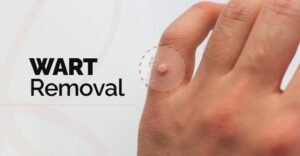
Wart Removal Treatment in Indore: Causes, Methods and Recovery
Have you noticed a small, rough bump on your hand, foot, face, or another part of your body? It may be a wart, a common skin growth caused by certain types of human papillomavirus (HPV). Warts can affect people of different ages and may appear as single growths or in groups. Some warts disappear naturally, while others remain for months or years. They may spread to nearby skin, cause discomfort, or become a cosmetic concern. Warts on the soles of the feet can also hurt when you stand or walk. Wart Removal Treatment in Indore depends on the type of wart, its location, size, symptoms, and response to previous treatment. Some warts can be treated with topical medicines, while others may need freezing or a procedure performed by a qualified healthcare professional. Not every skin growth is a wart. Skin tags, corns, moles, and other conditions can look similar. Professional assessment helps identify the growth and determine the most appropriate treatment.
What Are Skin Warts and What Causes Them?
Warts are non-cancerous skin growths commonly caused by certain types of HPV. The virus affects the outer layer of the skin and can cause it to grow thicker in a particular area. Warts may develop on the hands, fingers, feet, face, or around the nails. Their appearance depends on the HPV type and the part of the body affected.
How Do Warts Spread?
Some warts spread through direct contact with an infected area or through contact with contaminated objects and surfaces. The virus may enter the skin through tiny cuts or damaged areas. Picking, scratching, or biting a wart may spread the virus to nearby skin. Sharing personal items that have contacted affected skin may also contribute to transmission. However, not every skin bump is caused by HPV. A dermatologist can help distinguish warts from skin tags, corns, moles, and other skin conditions.
Are All Warts the Same?
No. Warts differ in appearance, location, and the symptoms they cause. A common wart on a finger may need a different approach from a wart on the sole of the foot or a growth on the face. The right treatment begins with identifying the type of growth and considering the patient’s individual needs.
What Are the Different Types of Warts?
Several types of warts can affect the skin. Understanding their general appearance can help you know when to seek an assessment, but it cannot confirm a diagnosis.
Common Warts
Common warts often appear on the fingers, hands, and around the nails. They may feel rough and have a raised, uneven surface. They are usually harmless, but they can spread or become uncomfortable if repeatedly irritated.
Plantar Warts
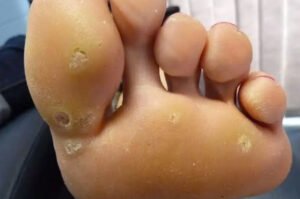
Plantar warts develop on the soles of the feet. Pressure from standing or walking may push them inward and make them painful. They can sometimes be mistaken for corns or calluses, so proper assessment is important.
Flat Warts
Flat warts are usually small, smooth, and flatter than common warts. They may appear in groups, often on the face, hands, or legs. Their appearance and location can influence which treatments are appropriate.
Filiform Warts
Filiform warts are narrow, finger-like growths that may occur around the face, mouth, nose, or neck. Because these areas can be sensitive, treatment should be selected carefully.
Periungual Warts
These warts develop around or under the fingernails or toenails. They can be difficult to treat and may affect the surrounding nail if they persist.
Genital Warts
Genital warts are associated with certain types of HPV and require a different approach from common hand or foot warts. They may appear around the genital or anal area and should be assessed by a qualified healthcare professional. Ordinary wart-removal products intended for hands or feet should not be used on genital skin.
When Should You Consider Wart Removal Treatment?
Not every wart needs immediate treatment. Some disappear naturally, but professional care may be useful when a wart persists, spreads, or causes problems.
Consider an assessment if:
- The wart continues to grow or does not improve.
- New warts appear in nearby areas.
- The growth causes pain or repeated irritation.
- A wart on the foot affects standing or walking.
- A growth on the face causes cosmetic concerns.
- A wart develops around a nail.
- You are unsure whether the growth is actually a wart.
A rapidly changing, bleeding, ulcerated, or unusual growth should be examined rather than assumed to be a wart. People seeking Wart Removal Treatment in Indore should have the growth assessed before selecting a removal method. This helps avoid unnecessary procedures and inappropriate self-treatment.
Which Wart Removal Methods Are Available?
The treatment depends on the wart’s type, location, size, and response to previous care. No single method works for every wart.
Cryotherapy
Cryotherapy uses controlled freezing to destroy wart tissue. It is commonly used for selected skin warts. The treated area may become sore, blister, or form a scab. More than one session may be needed, depending on the wart and its response.
Prescription Topical Treatments
Certain medicines applied to the skin may help remove selected warts. The appropriate product depends on the wart’s location and the patient’s medical circumstances. Some topical treatments can irritate healthy skin. Follow the healthcare professional’s instructions and do not apply a product to the face, genital area, or other sensitive skin unless specifically advised.
Cautery and Other Procedures
A healthcare professional may consider cautery or another procedure for selected warts. The choice depends on the location, size, diagnosis, and possible risks. These procedures may cause discomfort, pigment changes, or scarring. The benefits and limitations should be discussed before treatment.
Curettage or Surgical Removal
In selected cases, a clinician may remove wart tissue using a suitable procedure. This may be considered when other treatments have not worked or when the diagnosis requires further evaluation. Removal is not always the first choice because procedures can leave a scar, and warts may return.
Laser Treatment
Laser treatment may be considered for selected warts, including some that have not responded to other approaches. It is not necessary or suitable for every wart. A qualified healthcare professional should explain why a particular method is recommended and whether alternatives may be more appropriate.
Is Laser Wart Removal in Indore Suitable for Every Wart?
Laser Wart Removal in Indore may be an option for certain warts, depending on their type, location, size, and response to previous treatment. Laser treatment uses concentrated light energy to target tissue. However, it is not automatically better than freezing, topical treatment, or other procedures.
What Should You Know Before Laser Treatment?
Before choosing laser treatment, the growth should be examined to confirm the likely diagnosis and determine whether the procedure is suitable. Possible risks include discomfort, scarring, changes in skin colour, and recurrence. The risk may differ depending on the treatment area and individual healing. For facial warts or lesions in sensitive areas, the treatment choice deserves particular care. Ask the provider about the expected recovery, possible side effects, alternative methods, and whether follow-up may be needed. Do not assume that laser treatment guarantees permanent removal.
What Is Skin Wart Removal and How Does It Work?
Skin Wart Removal in Indore may involve topical treatment, freezing, or a clinician-selected procedure. The appropriate method depends on the growth and the patient’s individual circumstances.
A typical treatment process includes:
- Examination: The healthcare professional checks the growth and asks about its history.
- Diagnosis: The appearance is assessed to determine whether it is likely to be a wart or another skin condition.
- Treatment selection: Suitable options are discussed, including their benefits and risks.
- Treatment: The selected method is carried out or prescribed according to the treatment plan.
- Aftercare: You receive instructions for protecting the area while it heals.
- Follow-up: Further assessment may be recommended if the wart persists, returns, or changes.
Not every wart needs a surgical procedure. Some respond to less invasive approaches, while others require additional care.
What Is Facial Wart Removal and Is It Safe?
Facial Wart Removal in Indore needs careful planning because facial skin is visible and may be more sensitive to irritation or scarring. Before treatment, the healthcare professional should confirm that the growth is likely to be a wart. Other skin conditions can resemble warts, and an incorrect diagnosis may lead to inappropriate treatment.
What Are the Main Considerations?
The treatment method depends on the location, size, and type of wart. The clinician should also consider the possibility of scarring, redness, or changes in skin colour. Avoid cutting facial warts or applying harsh home remedies. Ordinary wart-removal acids intended for hands or feet can damage facial skin and should not be used there without specific medical advice. If a facial growth is changing, bleeding, ulcerated, or unusually coloured, seek medical assessment before considering cosmetic removal.
What Is Plantar Wart Treatment and Why Can Foot Warts Be Painful?
Plantar warts develop on the soles of the feet. They may appear on the heel, ball of the foot, or other areas that experience pressure.
Because body weight presses on these warts, they can cause discomfort during standing or walking.
How Are Plantar Warts Different From Corns and Calluses?
Plantar warts can sometimes look like corns or calluses. These conditions have different causes, so it is important to establish the diagnosis before treatment. A healthcare professional may examine the surface and surrounding skin to help distinguish them.
What Does Treatment Involve?
Plantar Wart Treatment in Indore may involve a suitable topical treatment, cryotherapy, or another method selected after assessment. Some plantar warts require repeated sessions. Foot Wart Treatment in Indore should take into account the location of the wart, the discomfort it causes, and any other medical conditions that may affect healing. Avoid cutting or digging into a foot wart at home. If you have diabetes, reduced sensation in your feet, poor circulation, or a weakened immune system, seek professional advice before attempting any wart treatment.
How Is Hand Wart Removal Different From Other Wart Treatments?
Warts on the hands and fingers can affect daily activities or become irritated through repeated contact. Warts around the nails may be particularly challenging because the surrounding tissue is delicate. Hand Wart Removal in Indore depends on the wart’s size, location, and depth. A healthcare professional may recommend topical treatment, freezing, or another suitable method. Do not bite, cut, or repeatedly pick at hand warts. These habits can damage the skin and may spread the virus to nearby areas. If a growth near the nail changes, becomes painful, or affects nail growth, arrange a professional assessment.
What Is Genital Wart Treatment and Why Does It Need Special Care?
Genital warts are commonly associated with certain types of HPV. They may appear around the genital or anal area and can vary in size and appearance. Genital Wart Treatment in Indore requires methods specifically suitable for sensitive genital skin. Depending on the diagnosis, a qualified healthcare professional may recommend prescription medicines or an appropriate procedure. Ordinary over-the-counter wart-removal products containing acids should not be used on genital skin. They can cause significant irritation or tissue damage.
Genital growths can also have causes other than HPV. A professional assessment helps establish the likely diagnosis and determine whether testing for other sexually transmitted infections is appropriate. Warts may return after treatment because removing visible growths does not always eliminate HPV from the surrounding skin. Ask the provider about follow-up and prevention. Not every dermatology clinic offers genital wart assessment or STI-related services. Confirm availability before making an appointment.
What Is Viral Wart Treatment in Indore?
Common skin warts are associated with certain types of HPV. Treatment generally focuses on removing or reducing the visible growth rather than guaranteeing that the virus has been eliminated from the body. Viral Wart Treatment in Indore may include cryotherapy, appropriate topical medicines, or selected procedures. The choice depends on the wart’s type, location, size, and response to previous treatment. Some warts disappear naturally, while others persist or return after treatment. Recurrence does not automatically mean that the treatment was performed incorrectly. A healthcare professional can help determine whether treatment is necessary and which options are appropriate for your situation.
Is Wart Removal Painful?
Discomfort varies according to the treatment method, the location of the wart, and individual sensitivity. During cryotherapy, you may feel a brief stinging or burning sensation. The treated area may become sore or develop a blister afterward. Topical treatments can sometimes cause redness or irritation. Procedures that remove tissue may involve local anaesthesia, depending on the method and location. Warts on the soles of the feet can be particularly uncomfortable because walking places pressure on the treated area. Before treatment, ask the healthcare professional what you may feel during recovery and how to care for the area. No method can guarantee a completely painless experience.
How Many Sessions Are Needed for Wart Removal?
The number of sessions depends on the wart’s size, location, duration, and response to treatment. Some warts improve after one treatment, while others require repeated sessions over several weeks. Plantar warts, warts around the nails, and long-standing growths may be more difficult to treat. If you need Multiple Wart Removal in Indore, the healthcare professional will consider the number and location of the growths before recommending a plan. It is not possible to guarantee a specific number of sessions without examining the warts. Follow the recommended schedule and attend follow-up appointments if advised.
How Long Does Wart Removal Take to Heal?
Healing time depends on the treatment method, the location of the wart, and the size of the treated area. A small treated area may settle relatively quickly, while a blister or wound may need more time to heal. Areas exposed to friction, such as the feet, may require additional care.
What Aftercare Should You Follow?
- Follow the wound-care instructions provided by your healthcare professional.
- Keep the treated area clean as advised.
- Avoid picking scabs or damaging healing skin.
- Protect the area from repeated friction or injury.
- Use only recommended medicines or dressings.
- Attend follow-up appointments when necessary.
Seek medical advice if you develop increasing redness, swelling, discharge, worsening pain, or other signs of a possible infection. Do not repeat treatment on your own if the wart remains. The clinician may need to reassess the diagnosis or change the treatment plan.
Can Warts Grow Back After Removal?
Yes. Warts can return after treatment because the procedure may remove the visible growth without eliminating all virus-infected cells in the surrounding skin. Some people develop new warts in nearby areas, while others experience a recurrence at the original site. The likelihood varies with the wart type, treatment, and individual response. Avoid picking or scratching the area, and follow the aftercare advice provided. If a growth returns, becomes unusual, or fails to respond to treatment, have it reassessed to confirm the diagnosis. Repeatedly treating an unidentified growth at home may delay appropriate care.
How Much Does Wart Removal Cost in Indore?
The Wart Removal Cost in Indore depends on several factors. An accurate estimate usually requires an examination of the growth and discussion of the recommended method.
Factors that may influence the cost include:
- The number of warts.
- The size and location of each wart.
- The type of treatment required.
- The number of sessions needed.
- Consultation and follow-up charges.
- Whether additional assessment or a biopsy is necessary.
For example, treating a small wart on the hand may involve a different approach from managing several plantar warts or a growth on the face. When contacting a clinic, ask for a current estimate and clarify whether the quoted amount includes follow-up visits or additional sessions. Do not assume that every wart can be treated in a single appointment.
Is Wart Removal Different for Adults and Children?
Treatment depends on the child’s or adult’s age, the wart’s location, the symptoms, and the person’s medical history. Some warts in children disappear naturally, so immediate treatment may not always be necessary. A healthcare professional can help determine whether observation or treatment is appropriate. For children, avoid using strong wart-removal products without professional advice. Certain products may irritate healthy skin or be unsuitable for particular locations. Adults may also need individualised care, especially if they have diabetes, poor circulation, reduced sensation, or a weakened immune system.
How Can You Choose the Right Wart Removal Dermatologist in Indore?
Choosing a qualified provider can help you understand the diagnosis, available treatments, and possible side effects.
When searching for a Wart Removal Dermatologist in Indore, consider:
- Appropriate qualifications: Check the provider’s medical qualifications and relevant experience.
- Accurate assessment: The growth should be examined before treatment.
- Clear treatment advice: Ask about suitable methods, risks, and alternatives.
- Care for different locations: Facial, plantar, nail-area, and genital warts may need different approaches.
- Transparent costs: Request a clear estimate for the recommended treatment.
- Aftercare and follow-up: Understand what to do if the wart persists or returns.
A Wart Removal Specialist in Indore or Dermatologist for Wart Removal in Indore should be able to explain why a particular treatment is suitable and when further evaluation is necessary. The Best Wart Removal Treatment in Indore is not necessarily the newest or most expensive option. It is the method appropriate for the specific growth and the patient’s health needs.
Where Can You Find Wart Removal in Vijay Nagar, Indore?
If you are looking for Wart Removal in Vijay Nagar, Indore, start by contacting a qualified healthcare professional who can assess the growth and explain the available treatment options. When contacting a Wart Removal Clinic in Indore, ask whether the provider assesses common skin warts and whether the required treatment is available. People searching for a Wart Removal Doctor Near Vijay Nagar should confirm the provider’s qualifications and whether the clinic manages the specific type of wart involved. This is particularly important for growths on the face, feet, around the nails, or in the genital area.
If you are comparing options for the Best Wart Removal Treatment in Indore, consider accurate diagnosis, appropriate treatment, clear pricing, aftercare, and follow-up rather than relying only on advertising. Dr. Vaishali Singh’s availability for wart assessment and the specific removal procedures offered at her clinic have not been confirmed here. Contact the clinic directly to ask whether it provides the relevant service or can arrange a suitable referral.