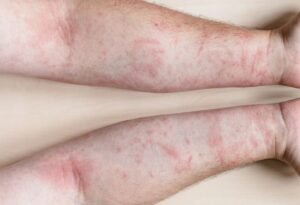
Fungal infections are common skin problems that can affect people of all ages. They may appear as itchy, red, scaly, dry, or irritated patches on different parts of the body. Fungal infections can affect the face, body, feet, groin, skin folds, and even the nails. If you are looking for Fungal Infection Treatment in Indore, getting the correct diagnosis is an important first step. Not every itchy or red rash is caused by a fungus. Several skin conditions can look similar, so using the wrong treatment may not address the actual cause.
Dr. Vaishali Singh, M.B.B.S., M.D. (Dermatology), provides dermatological consultation for patients experiencing fungal infections and other skin concerns. If you are searching for a Fungal Infection Doctor in Indore, professional evaluation can help identify the type and extent of the infection and guide an appropriate treatment plan. The clinic in Scheme No. 78, Vijay Nagar, also provides a convenient option for patients looking for a Fungal Infection Treatment Clinic in Indore. Treatment is selected according to the infection, affected area, severity, recurrence, and individual patient requirements.
What Is a Fungal Infection in Indore?
A fungal infection occurs when certain types of fungi grow excessively on or within the skin. Some fungi normally live on the body without causing problems. However, warm, moist, and poorly ventilated conditions can sometimes allow them to multiply and cause an infection. Fungal infections can affect different areas of the body. Some may appear as circular or ring-shaped rashes, while others can cause itching, scaling, cracking, redness, or irritation. Fungi can also spread from one area of the body to another or from one person to another through direct contact or shared personal items. For patients seeking Fungal Skin Infection Treatment in Indore, identifying the exact type of infection is important because different fungal conditions may require different approaches.
Why Do Fungi Affect the Skin?
Fungi generally grow more easily in warm and moist environments. Areas where sweat remains trapped can therefore be more vulnerable.
Common areas include:
- Between the toes
- Groin
- Underarms
- Skin folds
- Feet
- Areas covered by tight clothing
- Other warm or moist parts of the body
A fungal infection does not necessarily mean that someone has poor hygiene. Many factors can contribute to fungal growth.
What Causes Fungal Skin Infections?
Several environmental and personal factors can increase the possibility of developing a fungal infection. However, having one or more risk factors does not mean that an individual will definitely develop an infection.
Warm and Humid Weather
Indore can experience warm weather, and increased sweating can create moisture on the skin. Warm and humid conditions may provide a suitable environment for certain fungi.
Excessive Sweating
People who sweat heavily may have more moisture on their skin. If sweat remains trapped in skin folds or inside footwear, fungal growth may become more likely.
Tight Clothing
Tight or non-breathable clothing can trap heat and moisture against the skin. Wearing comfortable, breathable clothing can help reduce unnecessary moisture.
Shared Personal Items
Towels, clothing, footwear, and other personal items can sometimes contribute to the spread of fungal infections if they have been contaminated.
Shared Wet Areas
Wet floors around swimming pools, changing rooms, gyms, and similar places may expose the feet to fungi.
Skin-to-Skin Contact
Some fungal infections can spread through direct contact with an infected person or animal.
Certain Health Conditions
Some medical conditions can increase susceptibility to infections. A dermatologist may consider relevant health history while evaluating a recurring or persistent fungal infection.
Prolonged Use of Certain Medicines
Some medicines can affect the body’s normal defenses or change the skin environment. If you are using long-term medication, tell your dermatologist during consultation.
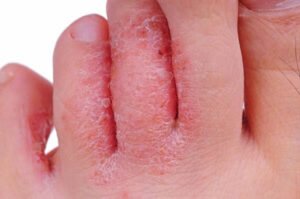
What Are the Common Symptoms of Fungal Infection in Indore ?
Fungal infections can look different depending on the type of fungus and the area involved.
Common symptoms may include:
- Itching
- Redness
- Scaling
- Burning or irritation
- Ring-shaped rashes
- Dry or cracked skin
- Changes in skin texture
- Rash spreading to nearby areas
- Discomfort in skin folds
- Peeling skin
- Changes around the affected area
Some fungal infections may cause only mild symptoms, while others can become uncomfortable or persistent. If symptoms continue, spread, or repeatedly return, consulting a Fungal Infection Specialist in Indore can help determine whether the condition is actually fungal and what treatment may be appropriate.
What Are the Different Types of Fungal Skin Infections?
Different fungal infections can affect different parts of the body. Understanding the common types can help you recognize why professional diagnosis is important.
Ringworm
Despite its name, ringworm is not caused by a worm. It is a fungal infection that can produce a circular or ring-shaped rash. The affected area may become red, itchy, dry, or scaly. The rash can gradually expand outward and may spread to other areas through contact. If you notice a growing ring-shaped rash, professional evaluation can help confirm the cause. Patients searching for Ringworm Treatment in Indore should avoid assuming that every circular rash is ringworm because several other skin conditions can appear similar.
Athlete’s Foot
Athlete’s foot commonly affects the feet, especially the spaces between the toes. It may cause itching, peeling, scaling, redness, cracking, or burning. Keeping the feet dry, changing damp socks, and avoiding shared footwear can help reduce exposure and reinfection. People looking for Athlete’s Foot Treatment in Indore should seek dermatological evaluation if symptoms persist or repeatedly return.
Jock Itch
Jock itch is a fungal infection that commonly affects the groin and nearby skin. Warmth, sweating, and friction can create conditions where fungal growth becomes easier. Symptoms may include itching, redness, scaling, and irritation. Because several conditions can cause groin rashes, proper diagnosis is important before starting treatment.
Candidiasis of the Skin
Candida is a type of yeast that can sometimes cause infection in warm and moist areas of the body. It may affect areas such as skin folds, underarms, groin, or other places where moisture becomes trapped. Treatment depends on the location, severity, and underlying factors contributing to the infection.
Fungal Infection in Skin Folds
Skin folds can trap heat, sweat, and moisture. Areas such as the underarms, groin, and other folds may therefore become vulnerable to fungal infections. Keeping these areas dry and following professional treatment advice can help manage the condition and reduce recurrence.
Fungal Nail Infection
Fungal infections can also affect the nails. Affected nails may become thicker, discolored, brittle, or structurally different. Nail infections can sometimes be difficult to manage and may require a different approach from fungal infections of the skin. A dermatologist can assess the nail and determine whether further testing is needed.
How Does a Fungal Infection Spread?
Some fungal infections are contagious and can spread through direct or indirect contact.
Possible routes include:
- Direct skin contact with an infected person.
- Sharing towels or clothing.
- Sharing footwear with someone who has an infection.
- Contact with contaminated surfaces.
- Walking barefoot in damp shared areas.
- Scratching an infected area and then touching another part of the body.
Simple hygiene measures can reduce the chance of spreading infection. Avoid sharing towels, socks, clothing, or footwear. Keep affected areas clean and dry, and wash clothing and personal items appropriately.
Fungal Infection Treatment Options in Indore
The appropriate approach to fungal infection depends on several factors, including the type of infection, location, size of the affected area, severity, duration, and whether the infection has returned previously. A rash that looks fungal may sometimes be caused by another skin condition. This is one reason professional assessment can be useful before starting treatment.
Antifungal Treatment
Dermatologists may use antifungal treatment to manage confirmed fungal infections. Depending on the condition, treatment may involve a topical approach or, in selected situations, treatment that works throughout the body. The choice depends on the location and severity of the infection and the patient’s medical circumstances. For Fungal Infection Treatment in Indore, treatment should be selected after appropriate clinical evaluation rather than simply choosing a product based on the appearance of a rash. Patients should also follow their dermatologist’s instructions and avoid changing or stopping treatment without medical advice.
Treatment for Recurrent Fungal Infections
Some people experience fungal infections repeatedly. Recurrence can be frustrating, but it is important to understand why the infection may be returning.
Possible reasons include:
- Incomplete treatment
- Continued exposure to moisture
- Reinfection
- Sharing personal items
- Incorrect initial diagnosis
- Ongoing environmental exposure
- Contributing health factors
Recurrent Fungal Infection Treatment in Indore may require a more detailed evaluation to identify possible causes of repeated episodes. A dermatologist may review previous treatments, symptoms, affected areas, lifestyle factors, and other relevant information before recommending the next step.
Fungal Infection Treatment for Different Body Areas
Fungal Infection on the Face
Facial fungal infections require careful diagnosis because many skin conditions can cause redness, scaling, itching, or patches on the face. If you are searching for Fungal Infection on Face Treatment in Indore, it is better to have the rash examined rather than assuming that it is fungal. The face can also be sensitive to certain treatments, making professional guidance particularly useful.
Fungal Infection on the Body
Fungal infections on the body may appear as itchy, scaly, red, or expanding patches. Some can develop in circular patterns. For Fungal Infection on Body Treatment in Indore, a dermatologist can examine the affected skin and determine the likely cause before recommending treatment.
Fungal Infection on the Feet
Feet can be exposed to sweat, enclosed footwear, damp floors, and other sources of fungal exposure. Keeping feet dry, changing damp socks, allowing footwear to dry properly, and avoiding shared footwear can support prevention. Patients looking for Fungal Infection on Feet Treatment in Indore can consult a dermatologist if symptoms persist or recur.
Fungal Infection in the Groin
The groin can become warm and moist, particularly with sweating and friction. This may create conditions that support fungal growth. Groin rashes should be diagnosed correctly because fungal infections are not the only possible cause of irritation in this area.
Fungal Infection in Skin Folds
Skin folds may retain sweat and moisture. Keeping these areas clean and dry can be helpful. If the rash persists, spreads, or repeatedly returns, professional assessment can help identify whether a fungal infection is responsible. For patients seeking Skin Fungal Infection Treatment in Indore, diagnosis should come before treatment whenever possible.
How Does a Dermatologist Diagnose a Fungal Infection?
A dermatologist may use several steps to understand a suspected fungal infection.
1. Medical History
Your dermatologist may ask when the symptoms started, whether they have spread, and whether you have experienced similar problems before.
2. Examination of the Skin
The affected area is examined for patterns such as redness, scaling, borders, swelling, cracking, or other changes.
3. Assessment of Symptoms
Itching, burning, discomfort, recurrence, and the speed at which the rash has changed can provide useful information.
4. Identification of the Rash Pattern
The appearance and location of the rash can help the dermatologist determine possible causes.
5. Additional Testing When Required
In some cases, testing may be recommended to confirm whether a fungus is responsible.
6. Treatment Planning
Once the condition is assessed, the dermatologist can discuss appropriate treatment and prevention measures.
A Dermatologist for Fungal Infection in Indore can also help distinguish fungal infections from other skin conditions that may look similar.
When Should You See a Dermatologist for a Fungal Infection?
Professional evaluation may be appropriate when:
- The infection is spreading.
- Itching or discomfort is significant.
- Symptoms repeatedly return.
- The rash does not improve.
- The infection affects the nails.
- A large area of skin is affected.
- You are unsure whether the rash is fungal.
- An over-the-counter treatment has not helped.
- The infection affects a child.
- Symptoms are becoming worse.
Early assessment can help avoid unnecessary treatment and provide a clearer understanding of the condition.
What Happens During a Fungal Infection Consultation?
A consultation is usually focused on understanding your symptoms and examining the affected area.
Your Fungal Infection Doctor in Indore may discuss:
- Your main symptoms
- When the rash started
- Previous episodes
- Previous treatments
- Possible triggers
- Medical history
- Skin examination
- Whether testing may be useful
- Appropriate treatment options
- Prevention and hygiene
- Follow-up requirements
You can also mention any products or treatments you have already tried.
How Long Does Fungal Infection Treatment Take?
There is no single treatment duration that applies to every fungal infection.
The timeline may depend on:
- Type of fungal infection
- Location
- Severity
- Size of the affected area
- Whether the infection is recurrent
- Individual response to treatment
Skin infections may have different treatment requirements from nail infections, for example. Patients should follow their dermatologist’s instructions and should not stop treatment early without medical advice simply because symptoms appear to have improved.
Can Fungal Infections Come Back?
Yes, fungal infections can recur in some people. Recurrence may happen because of reinfection, continued moisture, incomplete treatment, exposure to contaminated personal items, or ongoing environmental factors. Prevention therefore remains an important part of managing fungal infections. If you experience repeated episodes, Recurrent Fungal Infection Treatment in Indore should begin with an assessment of why the infection may be returning.
How Can You Prevent Fungal Infections?
A few simple habits may help reduce the risk of fungal infections:
- Keep your skin clean and dry.
- Change sweaty clothes promptly.
- Wear breathable clothing.
- Avoid sharing towels.
- Keep your feet dry.
- Change socks regularly.
- Avoid walking barefoot in shared wet areas.
- Do not share footwear.
- Wash clothing appropriately.
- Avoid scratching affected skin.
- Follow your dermatologist’s treatment instructions.
- Keep damp personal items properly dried.
These measures cannot guarantee that a fungal infection will never occur, but they can help reduce some common sources of exposure and moisture.

What Is the Fungal Infection Treatment Cost in Indore?
The Fungal Infection Treatment Cost in Indore can vary from one patient to another because treatment depends on the individual condition.
Factors that may influence the overall cost include:
- Type of fungal infection
- Severity of the infection
- Affected body area
- Diagnostic testing, if required
- Treatment duration
- Follow-up consultations
- Whether the infection is recurrent
There is no single price that applies to every fungal infection.
An in-person consultation is the best way to understand your condition, appropriate treatment approach, and expected costs.
Why Choose a Dermatologist for Fungal Infection Treatment in Indore?
A fungal-looking rash should not always be assumed to be a fungal infection. A dermatologist can assess the skin and consider other possible causes.
Professional evaluation may help with:
Correct Diagnosis
Understanding whether the rash is actually caused by a fungus.
Appropriate Treatment Selection
Choosing an approach based on the infection’s type, location, and severity.
Recurrent Infection Management
Identifying possible reasons behind repea ted infections.
Prevention Guidance
Learning practical ways to reduce moisture, exposure, and reinfection.
Monitoring
Some conditions may require follow-up to assess progress and make treatment adjustments.
A Fungal Infection Clinic in Indore can therefore provide more than just treatment for an existing rash. It can also help patients understand the condition and how to reduce future problems.