
Healthy-looking skin can help you feel more comfortable and confident. However, acne marks, dark spots, uneven skin tone, rough texture, and dull-looking skin can sometimes make your skin appear tired. If you are looking for a way to improve these concerns, Chemical Peel Treatment in Indore may be an option worth discussing with a dermatologist. Chemical peels help remove selected layers of dead skin cells and support skin renewal. Depending on the type of peel and your skin condition, treatment may help improve certain types of pigmentation, flat acne marks, mild textural concerns, and uneven skin tone.
Dr. Vaishali Singh, Dermatologist in Indore, can assess your skin, understand your concerns, and recommend a suitable treatment plan based on your individual needs. The right approach depends on your skin type, medical history, current skincare routine, and treatment goals. Before choosing a chemical peel, it is important to understand how it works, what it can treat, its possible risks, and the care needed after treatment.
What Is Chemical Peel Treatment?
Chemical Peel Treatment is a dermatological procedure in which a selected chemical solution is applied to the skin to exfoliate controlled layers of skin cells. This process supports the skin’s natural renewal and may improve its appearance over time. A chemical peel can help with certain skin concerns, but different peels work at different depths. Some act mainly on the outermost skin layer, while others reach deeper layers and require more recovery time.
Your dermatologist will consider several factors before selecting a peel, including:
- Your skin type and sensitivity
- The cause and depth of pigmentation
- Whether you have active acne or acne marks
- Your medical history and current medicines
- Your previous skincare treatments
- Your desired results and recovery preferences
A professional assessment helps determine whether a chemical peel is suitable or whether another treatment may be more appropriate.
What Skin Problems Can Chemical Peel Treatment Help With?
Chemical peels may be useful for selected skin concerns. However, the results depend on the condition being treated and the type of peel chosen.
1. Acne Marks and Post-Acne Pigmentation
Flat brown or dark marks left after acne may improve with suitable chemical peels. Some peels can also help manage clogged pores and certain forms of acne.
However, deep, indented, or raised acne scars may require other treatments. A dermatologist can distinguish between acne marks and true scars before recommending treatment.
2. Uneven Skin Tone
Sun exposure, previous acne, and other skin conditions can lead to uneven skin tone. A suitable peel may help improve the appearance of some of these concerns.
3. Selected Types of Pigmentation
Certain chemical peels may help reduce the appearance of superficial dark spots. However, pigmentation can have different causes, and some conditions need a combination of treatments.
4. Rough or Dull-Looking Skin
A superficial peel may help remove dead skin cells and improve the appearance of rough or dull skin.
5. Mild Textural Irregularities
Some peels may help improve mild surface irregularities. Deeper scars and more pronounced texture concerns may need alternative procedures.
6. Selected Fine Lines and Clogged Pores
Depending on the ingredients used, a chemical peel may help improve the appearance of some fine lines and clogged pores. It is not a suitable solution for every type of ageing or acne concern.
Benefits of Chemical Peel Treatment
When selected and performed appropriately, chemical peels may offer several benefits.
- Exfoliates dead skin cells: Helps remove accumulated surface cells.
- Improves skin texture: May make rough skin feel smoother.
- Reduces selected dark spots: Can improve the appearance of some superficial pigmentation.
- Supports a more even skin tone: May help reduce visible unevenness.
- Helps manage selected acne concerns: Certain peels can be useful for clogged pores and some forms of acne.
- Refreshes dull-looking skin: Skin may appear smoother and brighter as it recovers.
Results vary from person to person. Chemical peels do not guarantee permanent pigmentation removal, instant fairness, or complete scar removal. Sun protection and an appropriate skincare routine remain important after treatment.
Types of Chemical Peels
The depth of a chemical peel affects its potential benefits, risks, and recovery time. Your dermatologist will recommend an option after examining your skin.
Superficial Chemical Peel
A superficial chemical peel works mainly on the outermost layer of the skin. It may be considered for mild pigmentation, uneven tone, selected acne concerns, and dull-looking skin. These peels generally involve less recovery time than deeper peels. However, temporary redness, dryness, stinging, or mild flaking may still occur.
Medium-Depth Chemical Peel
A medium-depth peel reaches deeper into the skin than a superficial peel. It may be considered for certain pigmentation concerns, sun-related skin changes, and selected texture problems. Because it affects deeper skin layers, it may cause more noticeable redness, peeling, and discomfort. Recovery can take longer, and careful medical assessment is essential.
Deep Chemical Peel
A deep chemical peel is a more intensive procedure that reaches deeper skin layers. It carries greater risks and usually requires more extensive recovery and follow-up. Deep peels are not suitable for everyone. They require specialist assessment, and the risks must be carefully discussed before treatment. They should never be attempted at home.
Common Chemical Peel Ingredients
Different ingredients have different uses:
- Glycolic acid: Often used for exfoliation and selected concerns involving uneven tone and texture.
- Salicylic acid: May be considered for oily or acne-prone skin and clogged pores.
- Lactic acid: Used in some superficial peels for gentle exfoliation.
- Trichloroacetic acid (TCA): May be used in selected peels of different depths, depending on the treatment protocol.
The ingredient, concentration, application method, and depth must be chosen by a qualified medical professional. A stronger peel is not automatically a better peel.
Who May Be Suitable for Chemical Peel Treatment?
Chemical peels may be suitable for people who want to address certain types of acne marks, pigmentation, uneven tone, rough texture, or dull-looking skin. However, suitability depends on your skin condition and medical history. Your dermatologist may ask about your medicines, skincare products, previous procedures, allergies, and history of skin reactions. People with active infections, open wounds, severe irritation, certain inflammatory skin conditions, or a history of abnormal scarring may need additional assessment or a different treatment. The goal is to select a treatment that offers a reasonable potential benefit without exposing your skin to unnecessary risk.
Who Should Avoid or Delay Chemical Peel Treatment?
A chemical peel may need to be postponed, modified, or avoided in certain situations, including:
- Active skin infections or open wounds
- Significant skin irritation or inflammation
- Recent tanning or sunburn
- Certain medicines or recent cosmetic procedures
- A history of cold sores, depending on the procedure
- Pregnancy or breastfeeding, when particular ingredients or treatments may require precautions
This does not mean every person with one of these concerns can never have a peel. The decision depends on the specific circumstances and treatment being considered. Before your appointment, share your medical history, medicines, allergies, previous procedures, and current skincare products with your dermatologist. Do not stop prescribed medicines without medical advice.
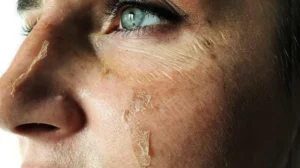
Chemical Peel Treatment Procedure: Step by Step
The exact procedure varies depending on the type of peel and your dermatologist’s treatment plan.
Step 1: Skin examination and consultation
Your dermatologist examines your skin and discusses concerns such as acne marks, dark spots, uneven tone, or rough texture.
Step 2: Discussion of treatment goals
You can discuss your expectations, possible benefits, limitations, risks, and likely recovery requirements.
Step 3: Selection of the appropriate peel
The dermatologist chooses a suitable ingredient and peel depth based on your skin condition and medical history.
Step 4: Skin cleansing and preparation
The treatment area is cleaned and prepared according to the procedure.
Step 5: Application of the chemical solution
The selected solution is applied using the appropriate technique. You may experience temporary tingling, warmth, or stinging.
Step 6: Removal or neutralisation, when required
Depending on the product and treatment protocol, the solution may need to be removed or neutralised at a specific time.
Step 7: Aftercare and follow-up
Your dermatologist provides instructions about moisturising, sun protection, skincare products, and any follow-up appointments you may need.
Is Chemical Peel Treatment Painful?
During Chemical Peel Treatment, you may experience mild tingling, warmth, stinging, or a temporary burning sensation. The intensity depends on the peel’s ingredients, concentration, depth, and your skin’s sensitivity. Superficial peels often cause less discomfort than deeper peels, but individual experiences vary. Tell your treating professional if you experience severe pain or an unexpectedly intense burning sensation. Do not assume that stronger discomfort means the peel is working better.
Recovery After Chemical Peel Treatment
Recovery depends mainly on the depth of the peel and how your skin responds.
After a superficial peel, you may notice temporary redness, dryness, tightness, or mild flaking. Medium-depth and deep peels can cause more significant peeling and may require longer recovery.
During recovery:
- Follow your dermatologist’s instructions carefully.
- Use the recommended moisturiser and gentle cleanser.
- Apply broad-spectrum sunscreen as directed.
- Avoid picking, rubbing, or pulling off flaking skin.
- Avoid unnecessary sun exposure.
- Pause harsh exfoliants and irritating skincare products until your dermatologist advises you to restart them.
Contact your treating clinic if you experience severe or increasing pain, blistering, worsening swelling, or signs of infection. Prompt medical assessment can help identify complications early.
Chemical Peel for Acne Marks in Indore
Acne can sometimes leave flat brown, red, or dark marks even after the pimples have healed. These marks are different from deeper scars, which may cause dents or raised areas in the skin. Chemical Peel for Acne Marks in Indore may be an option for selected patients with flat post-acne pigmentation. Certain peels may also help manage clogged pores or active acne as part of a wider treatment plan. However, not every acne mark responds equally well. Deep or indented scars may require other procedures, while active acne may need medication or a combination of treatments. Dr. Vaishali Singh can assess your skin and help determine whether a chemical peel is suitable for your concerns.
Chemical Peel for Pigmentation in Indore
Pigmentation can develop due to sun exposure, acne, hormonal changes, inflammation, and other skin conditions. The best treatment depends on the cause, depth, and pattern of the pigmentation. Chemical Peel for Pigmentation in Indore may be considered for certain superficial dark spots and uneven skin tone. However, conditions such as melasma need careful assessment because pigmentation can return and may worsen after irritation or an unsuitable procedure. People with darker skin tones can also develop increased pigmentation after inflammation. For this reason, choosing the correct peel, preparing the skin when necessary, and following aftercare instructions are especially important. A dermatologist can explain whether a peel is appropriate or whether another treatment may offer a better balance of benefits and risks. Complete removal of pigmentation cannot be guaranteed.
Chemical Peel for Glowing Skin in Indore
If your skin looks dull or feels rough, a suitable superficial peel may help remove dead skin cells and improve the appearance of mild unevenness. Chemical Peel for Glowing Skin in Indore should focus on healthy skin and realistic improvement rather than instant fairness. Your skin type, sensitivity, current condition, and sun exposure can all affect the outcome. Good daily skincare remains important. Gentle cleansing, suitable moisturising, and regular sun protection can support your skin after treatment. A peel should be chosen for a specific skin concern, not simply because a stronger procedure sounds more effective.
Chemical Peel Treatment in Vijay Nagar, Indore
If you are looking for Chemical Peel Treatment in Vijay Nagar, Indore, a consultation with a dermatologist can help you understand which treatment may suit your skin. Dr. Vaishali Singh offers dermatological assessment for concerns involving acne marks, selected pigmentation, uneven skin tone, and skin texture. The treatment plan should be based on your skin’s needs rather than a one-size-fits-all approach. During your consultation, you can discuss your concerns, the expected benefits, possible side effects, preparation, recovery, and whether multiple sessions or alternative treatments may be needed. Professional guidance helps you make an informed decision and care for your skin safely.
Dermatologist Near Scheme No. 78 and Dewas Naka
People searching for a Dermatologist Near Scheme No. 78 or a Dermatologist in Dewas Naka may be looking for help with acne marks, pigmentation, rough skin, or uneven tone. A dermatologist can examine the affected area, identify possible causes, and determine whether a chemical peel is appropriate. Some concerns may respond better to prescription skincare, acne treatment, sun protection, or a combination of treatments. If you are considering a peel, choose a qualified medical professional who explains the procedure, its limitations, potential risks, and aftercare clearly.

Chemical Peel Cost in Indore
The Chemical Peel Cost in Indore can vary depending on the type of peel, the treatment area, the ingredients used, and your individual skin concerns.
Factors that may influence the cost include:
- The type and depth of the peel
- The treatment area and skin condition
- The ingredients and treatment protocol
- The number of sessions recommended
- Any consultation or follow-up requirements
- Whether additional treatments are needed
There is no single price that applies to every patient. A superficial peel and a deeper procedure may involve different costs, preparation, and recovery needs. For current pricing, consult the clinic after your skin assessment. Ask what the quoted cost includes and whether additional sessions or products may be recommended.
How Many Chemical Peel Sessions Are Needed?
The number of sessions depends on your skin concern, the type of peel, and how your skin responds. Some people may notice changes after one session, while others may need a series of treatments. Certain concerns, such as recurring pigmentation or acne-related marks, may also need ongoing skincare and sun protection to help maintain improvement. Your dermatologist will recommend an appropriate interval between sessions. Having peels too frequently or repeating them without proper assessment can irritate the skin and increase the risk of complications. Results are gradual for many patients and cannot be guaranteed within a fixed number of sessions.
Chemical Peel Aftercare Tips
Good aftercare helps protect your skin while it recovers.
- Protect your skin from the sun. Use a broad-spectrum sunscreen as directed by your dermatologist and limit unnecessary sun exposure. Sun protection is particularly important when treating pigmentation.
- Cleanse gently. Use a mild cleanser and avoid scrubbing or rubbing the treated area.
- Moisturise regularly. Apply the moisturiser recommended for your skin to help manage dryness and support the skin barrier.
- Do not pick peeling skin. Allow the skin to shed naturally. Picking can increase the risk of irritation, infection, and pigmentation.
- Avoid irritating products. Do not restart strong exfoliants, retinoids, or other potentially irritating skincare products until your dermatologist confirms when it is appropriate.
- Attend follow-up appointments. Follow-up helps your dermatologist assess your recovery and decide whether any changes to your skincare or treatment plan are needed.
If your skin develops severe pain, blisters, unusual swelling, or signs of infection, seek medical advice promptly.
Why Consult Dr. Vaishali Singh for Chemical Peel Treatment in Indore?
Choosing a chemical peel should begin with understanding your skin, not simply selecting a procedure. Dr. Vaishali Singh can assess your skin concerns and help you understand the available treatment options.
Your consultation can include:
- Individual skin assessment: Identify the type of pigmentation, acne marks, or texture concern.
- Suitable treatment selection: Discuss whether a superficial or another type of peel is appropriate.
- Realistic expectations: Understand potential benefits, limitations, recovery, and risks.
- Preparation guidance: Review skincare products, medicines, and any precautions needed before treatment.
- Aftercare support: Learn how to protect your skin and when to seek further advice.
- Follow-up recommendations: Review your response and determine whether additional treatment is appropriate.
The aim is to support healthier-looking skin through an individualised and medically informed plan. No procedure can guarantee a particular result, and an alternative treatment may sometimes be more suitable.