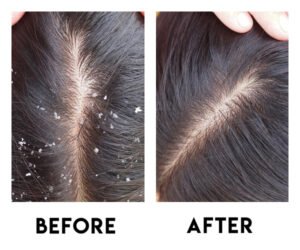
Effective Scalp Care for Dandruff, Itching and Flaking
Dandruff is a common scalp condition that can cause visible flakes, itching, dryness, irritation, and discomfort. For some people, it appears occasionally and can be managed with a suitable scalp-care routine. For others, dandruff can keep coming back or become severe enough to affect daily comfort. Dandruff Treatment in Indore focuses on understanding why your scalp is flaking and choosing an appropriate treatment based on the condition of your scalp. Persistent dandruff should not always be treated as simple dryness because different scalp conditions can produce similar symptoms.
If you are searching for a Dandruff Doctor in Indore, a dermatologist can examine your scalp, understand your symptoms, review your previous treatments, and identify factors that may be contributing to the problem. A Dandruff Treatment Clinic in Indore can also help with recurring dandruff and ongoing scalp care.
Dandruff is not necessarily caused by poor hygiene. Factors such as scalp oil, changes in skin cells, sensitivity to naturally occurring yeast on the scalp, weather, stress, and certain scalp conditions can all play a role.
What Is Dandruff? – Dandruff Treatment in Indore
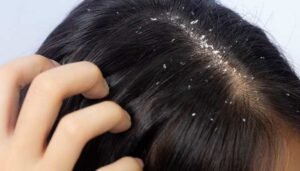
Dandruff refers to the shedding of visible flakes from the scalp. Normally, scalp skin continuously renews itself, and old skin cells are shed in very small amounts that usually go unnoticed. With dandruff, this shedding can become more noticeable. You may see white or yellowish flakes on the scalp, hair, shoulders, or clothing. Dandruff can occur in people of different ages. It may be more noticeable during certain seasons or periods when the scalp becomes particularly oily, dry, irritated, or sensitive.
Common symptoms can include:
- White or yellowish flakes
- Scalp itching
- Dryness
- Oily or greasy scalp
- Redness
- Scalp irritation
- Flaking around the hairline
- Visible flakes on clothing
Mild dandruff may respond to appropriate scalp care. However, persistent or severe symptoms may indicate another scalp condition and should be evaluated by a dermatologist.
What Causes Dandruff?
Dandruff does not have just one cause. It can develop because of a combination of scalp oil, skin-cell turnover, individual sensitivity, environmental factors, and other scalp-related conditions. One factor often associated with dandruff is Malassezia, a yeast that naturally lives on the skin. In some people, the scalp may react to this yeast and the oils present on the scalp, leading to increased flaking and irritation.
Other factors that may contribute include:
- Excess scalp oil
- Changes in scalp skin-cell turnover
- Individual sensitivity
- Stress
- Weather changes
- Cold or dry conditions
- Certain hair-care products
- Excessive use of styling products
- Irregular scalp care
- Existing scalp conditions
Importantly, dandruff is not simply a result of poor hygiene. Washing the hair too little may allow oil and flakes to become more noticeable, but excessive washing with harsh products can also irritate some people’s scalps. The right scalp-care routine depends on your individual scalp condition.
What Are the Symptoms of Dandruff? – Dandruff Treatment in Indore
Dandruff can look slightly different from person to person.
Common symptoms include:
White or Yellowish Flakes
Small flakes may appear on the scalp, hair, shoulders, or clothing. Some people notice fine white flakes, while others may have larger or slightly yellowish flakes.
Scalp Itching
Itching is one of the most common complaints associated with dandruff. Scratching may temporarily relieve the sensation but can further irritate the scalp.
Dry or Oily Scalp
Dandruff may occur with either a dry-feeling scalp or an oily scalp. The appearance of the flakes and other symptoms can help a dermatologist understand the possible cause.
Scalp Irritation
Some people experience mild redness, sensitivity, or irritation along with flaking.
Flaking Around the Hairline
Flakes may become visible around the hairline, behind the ears, or on nearby areas of skin.
Visible Flakes on Clothing
Dandruff can become particularly noticeable when flakes fall onto dark clothing.
If you have severe itching, persistent redness, scalp sores, significant hair fall, or symptoms that continue despite appropriate care, professional evaluation may be useful.
What Is the Difference Between Dandruff and Dry Scalp?
Dandruff and dry scalp can look similar, but they are not always the same problem.
| Dandruff | Dry Scalp |
|---|---|
| Often associated with scalp oil and skin sensitivity | Often associated with reduced moisture |
| Flakes may be white or yellowish | Flakes are often smaller and dry |
| Scalp may be oily | Scalp may feel tight or dry |
| Itching can occur | Itching can also occur |
| May be associated with Malassezia | May be related to dry weather or irritation |
| May require anti-dandruff treatment | May improve with gentle moisturizing scalp care |
A person can also have symptoms that do not fit neatly into either category. For patients searching for Dry Scalp Treatment in Indore, a dermatologist can examine the scalp and determine whether dryness, dandruff, seborrheic dermatitis, psoriasis, contact irritation, or another condition may be involved.
Can Dandruff Cause Hair Fall?
Dandruff and hair fall can sometimes occur together, but dandruff is not necessarily the only cause of hair loss. Persistent itching may lead to frequent scratching. Scratching can irritate the scalp and may contribute to temporary hair shedding in some people.
Inflammation associated with certain scalp conditions may also affect scalp comfort and hair shedding. However, hair fall can have many other causes, including nutritional issues, hormonal changes, stress, genetics, illness, medications, and other scalp or hair conditions.
If dandruff is accompanied by noticeable or persistent hair loss, it is better to have both concerns evaluated rather than assuming that dandruff is the only cause. A dermatologist can determine whether separate treatment for the hair-loss concern is necessary.
When Should You See a Dermatologist for Dandruff?
Occasional mild dandruff may not require a medical consultation. However, professional evaluation can be useful when symptoms persist, repeatedly return, or become uncomfortable.
Consider seeing a Dermatologist for Dandruff in Indore if you experience:
- Severe dandruff
- Persistent scalp itching
- Red or inflamed scalp
- Excessive scalp flakes
- Repeated dandruff despite suitable home care
- Scalp sores
- Significant irritation
- Hair fall along with scalp symptoms
- Symptoms affecting sleep
- Symptoms affecting daily comfort
A dermatologist can also check whether the symptoms are actually caused by dandruff or another scalp condition.
Dandruff Treatment Options in Indore
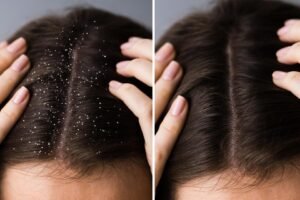
Dandruff Treatment in Indore depends on the severity of the problem, the appearance of the scalp, associated symptoms, possible underlying causes, and how the scalp has responded to previous treatment. Treatment may focus on reducing flaking, controlling scalp irritation, managing itching, and preventing frequent recurrence. Depending on the individual situation, treatment may include recommended shampoos, topical treatments, scalp-care changes, or treatment for an underlying scalp condition.
Medicated Shampoo for Dandruff
Medicated shampoos may be recommended when regular hair washing is not enough to control dandruff. Depending on the scalp condition, a dermatologist may recommend products containing specific active ingredients that help manage flaking, scalp microorganisms, oiliness, or inflammation.
A dermatologist may advise you on:
- Which type of shampoo may be appropriate
- How to apply it to the scalp
- How long it should remain on the scalp
- How frequently it should be used
- Whether maintenance use is required
- When the routine should be reviewed
The correct routine can vary from person to person. It is important not to assume that using more shampoo or washing the scalp excessively will automatically produce better results.
Topical Treatments for Dandruff
Depending on the symptoms, dermatologists may recommend topical treatments to help manage:
- Scalp itching
- Inflammation
- Flaking
- Redness
- Irritation
The appropriate product depends on the scalp condition. A treatment that is suitable for one person may not be suitable for another, particularly when the symptoms are caused by a different underlying condition. For this reason, prescription or medicated scalp treatments should be used according to professional instructions.
Severe Dandruff Treatment in Indore
Severe or persistent dandruff may require more than occasional use of an anti-dandruff product. Severe Dandruff Treatment in Indore begins with determining why the symptoms are continuing.
A dermatologist may consider whether the symptoms are associated with:
- Significant scalp inflammation
- Seborrheic dermatitis
- Psoriasis
- Contact irritation
- Other scalp conditions
- Persistent scratching
- Product-related irritation
If the scalp is very red, painful, developing sores, or associated with significant hair loss, professional evaluation is particularly important. Trying multiple products at the same time can sometimes make it harder to identify what is actually helping or irritating the scalp.
Chronic Dandruff Treatment in Indore
Some people experience dandruff repeatedly over a long period. Chronic Dandruff Treatment in Indore focuses on controlling symptoms and reducing recurrence rather than promising that dandruff will never return.
Long-term management may involve:
- Consistent scalp care
- Maintenance use of recommended products
- Identifying personal triggers
- Avoiding irritating hair products
- Managing scalp oil and flaking
- Following professional recommendations
- Periodic dermatology follow-up when required
Recurring dandruff does not necessarily mean that treatment has failed. Some people naturally need ongoing maintenance to keep their scalp comfortable.
Itchy Scalp and Dandruff Treatment
Scalp itching commonly occurs with dandruff. However, persistent itching should not automatically be assumed to be caused by ordinary dandruff. Itchy Scalp Treatment in Indore depends on the reason for the itching. Possible causes can include dandruff, seborrheic dermatitis, psoriasis, product irritation, allergies, infections, or other scalp conditions.
Try to avoid excessive scratching. Scratching can damage the skin, increase irritation, and potentially create small breaks in the scalp. If itching is severe, persistent, or accompanied by redness, sores, swelling, or significant flaking, a dermatologist can assess the scalp properly.
Flaky Scalp Treatment
A flaky scalp can result from several different causes.
Flaky Scalp Treatment in Indore should therefore begin with identifying what is causing the flakes rather than treating every type of flaking in exactly the same way. The flakes may be related to dandruff, dryness, seborrheic dermatitis, psoriasis, irritation, or another scalp condition. A dermatologist can assess the appearance of the flakes, scalp oiliness, redness, itching, and other symptoms before recommending an appropriate treatment approach.
Is Dandruff the Same as Seborrheic Dermatitis?
Dandruff and seborrheic dermatitis are related but are not exactly the same condition. Seborrheic dermatitis can cause flaking, redness, itching, and greasy or yellowish scales. It may affect not only the scalp but also areas such as the eyebrows, sides of the nose, behind the ears, or other oily areas of the skin. Ordinary dandruff may have fewer signs of inflammation.
Possible features of seborrheic dermatitis include:
- Redness
- Oily or greasy scales
- Scalp itching
- Inflammation
- Flaking around the hairline
- Symptoms around the ears or eyebrows
If symptoms are persistent or extend beyond the scalp, professional assessment can help determine whether Seborrheic Dermatitis Treatment in Indore may be more appropriate than routine dandruff care.
Can Dandruff Be Completely Cured?
Dandruff can often be controlled effectively, but it can also return. For many people, dandruff behaves as a recurring scalp problem rather than a condition that can be permanently eliminated with one treatment. Factors such as weather, scalp oil, stress, individual sensitivity, and underlying scalp conditions can influence recurrence.
Treatment may therefore focus on:
- Controlling current flaking
- Reducing itching
- Improving scalp comfort
- Identifying triggers
- Maintaining an appropriate scalp-care routine
- Using maintenance treatment when advised
The goal is better scalp control, not a promise of permanent or 100% dandruff removal.
How Long Does Dandruff Treatment Take?
There is no single treatment timeline that applies to everyone.
The duration can depend on:
- Severity of dandruff
- Possible underlying cause
- Scalp condition
- Treatment method
- Consistency with the recommended routine
- Individual response
Some people may notice improvement after following an appropriate scalp-care routine, while recurring or more complicated scalp conditions may require longer management. Your dermatologist can provide more specific guidance after examining your scalp.
What Should You Avoid If You Have Dandruff?
When your scalp is irritated, adding more products is not always the best approach.
Try to avoid:
- Excessive scratching
- Harsh scalp scrubs
- Very hot water
- Unnecessary hair products
- Excessive styling products
- Sharing combs or personal hair-care items
- Frequent switching between multiple treatments
- Unsupervised home remedies that irritate the scalp
If a product causes burning, increased redness, or worsening irritation, stop using it and discuss the reaction with a healthcare professional.
What Should You Do Before Dandruff Treatment?
A little preparation can make your dermatology consultation more useful.
Before visiting a dermatologist:
- Make a note of how long you have had dandruff.
- Mention whether the symptoms are occasional or recurring.
- Tell the doctor about scalp itching or redness.
- Mention any associated hair fall.
- List the shampoos or scalp products you have used.
- Mention previous treatments and whether they helped.
- Tell the dermatologist if symptoms become worse during particular seasons.
- Avoid experimenting with multiple new products immediately before the consultation.
This information can help the dermatologist understand the pattern of your scalp symptoms.
What Should You Do After Dandruff Treatment?
Once a treatment plan has been recommended, consistency is important.
General scalp-care advice may include:
- Follow the recommended shampoo routine.
- Use prescribed products as directed.
- Avoid excessive scratching.
- Keep the scalp appropriately clean.
- Avoid products that irritate your scalp.
- Follow maintenance instructions.
- Attend follow-up appointments when recommended.
If symptoms return after a period of improvement, do not assume that you need to restart every previous product. The reason for recurrence may need to be reassessed.
Dandruff Treatment in Vijay Nagar, Indore
People living and working around Vijay Nagar may prefer convenient access to professional scalp care, especially when dandruff keeps returning. Dandruff Treatment in Vijay Nagar involves evaluating the scalp and understanding whether the symptoms are caused by ordinary dandruff or another scalp condition.
If you are searching for a Dandruff Doctor Near Vijay Nagar, professional consultation can be helpful when itching, redness, excessive flakes, or associated hair fall continues despite routine scalp care. A Dandruff Treatment Clinic in Vijay Nagar can provide an individualized approach based on your scalp condition rather than recommending the same product to every patient.
Dandruff Treatment Near Scheme No. 78
For people living or working around Scheme No. 78, finding a dermatologist nearby can make scalp consultations and follow-up easier.If you are searching for a Dandruff Doctor Near Scheme No. 78, a professional scalp examination can help determine whether your symptoms are related to dandruff, dry scalp, seborrheic dermatitis, psoriasis, or another condition.
Dandruff Treatment Near Scheme No. 78 may include appropriate scalp-care guidance, recommended products, and treatment based on the individual’s symptoms. Persistent or severe dandruff should not be repeatedly self-treated without understanding its possible cause.
Dandruff Treatment in Dewas Naka
People searching for Dandruff Treatment in Dewas Naka may be dealing with recurring scalp flakes, itching, irritation, redness, or associated hair fall. While occasional dandruff can be common, persistent symptoms may require professional evaluation. A dermatologist can examine the scalp and help determine whether dandruff is the main concern or whether another scalp condition may be contributing to the symptoms.
What Is the Dandruff Treatment Cost in Indore?
The Dandruff Treatment Cost in Indore can vary from one patient to another. There is no single treatment plan or fixed cost because the required care depends on the condition of the scalp.
Factors that may influence the overall cost include:
- Severity of dandruff
- Underlying scalp condition
- Consultation requirements
- Recommended treatment products
- Duration of treatment
- Follow-up requirements
- Additional treatment when medically necessary
For example, someone with occasional mild flaking may need a different approach from someone with persistent inflammation or another underlying scalp condition. A consultation is the best way to understand your individual treatment plan and the associated costs.
Why Choose Professional Dandruff Treatment?
Dandruff may look like a simple scalp problem, but persistent symptoms can sometimes be caused by a different condition.
A Dandruff Specialist in Indore can help by:
- Examining the scalp properly
- Identifying possible causes
- Differentiating dandruff from other scalp conditions
- Selecting appropriate treatment
- Recommending suitable scalp-care products
- Monitoring improvement
- Managing recurring dandruff
- Identifying when further evaluation is required
Professional care is especially useful when symptoms are severe, persistent, recurrent, or accompanied by hair fall, redness, sores, or significant discomfort.
How Can You Prevent Dandruff From Coming Back?
Dandruff can recur, so maintaining a consistent scalp-care routine can be important.
Helpful habits may include:
- Follow a consistent scalp-care routine.
- Use recommended anti-dandruff products.
- Avoid excessive scratching.
- Manage stress where possible.
- Avoid irritating hair products.
- Keep the scalp appropriately clean.
- Follow maintenance treatment when advised.
- Avoid unnecessary experimentation with home remedies.
- Consult a dermatologist if symptoms repeatedly return.
The goal is not to guarantee that dandruff will never return, but to understand your scalp and manage recurring symptoms appropriately.