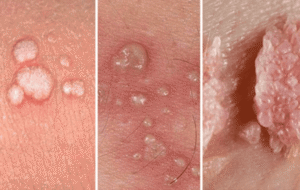
HPV Infection Treatment in Indore: Symptoms, Diagnosis and Care
Noticing an unusual growth around your genital area can cause worry and raise many questions. You may wonder whether it is an infection, whether it needs treatment, or whether it could affect your future health. Understanding the possible causes can help you take the right next step. Human papillomavirus (HPV) is a common virus that can affect the skin and certain moist areas of the body, including the genital area. Many HPV infections cause no visible symptoms and clear naturally over time. However, some HPV types can cause warts, while certain high-risk types may cause cell changes that can eventually lead to cancer.
HPV Infection Treatment in Indore depends on the problem being treated. Visible warts may need medical treatment, while HPV-related cervical changes may require screening and follow-up. There is currently no treatment that directly removes HPV from the body, but many HPV-related problems can be managed effectively. HPV is a common health issue, and seeking medical advice is a normal part of healthcare. A qualified healthcare professional can assess unusual growths, explain appropriate testing or screening, and help you understand your options.
What Is HPV Infection and What Causes It?
Human papillomavirus, commonly called HPV, is a large group of viruses. Different types affect different parts of the body. Some types affect the genital and anal areas and may spread through intimate skin-to-skin contact.
Are All HPV Types the Same?
No. HPV types differ in the health problems they may cause.
Low-risk HPV types: Certain types, including HPV 6 and HPV 11, commonly cause warts. These types are generally not associated with cancer.
High-risk HPV types: Some types, including HPV 16 and HPV 18, can cause abnormal cell changes and are associated with several cancers.
Having warts does not automatically mean that you have a high-risk HPV infection. Similarly, high-risk HPV may be present without visible warts or other noticeable symptoms.
How Does HPV Spread?
HPV can spread through intimate skin-to-skin contact, including vaginal, anal, and oral sexual contact. Transmission may occur even when a person has no visible warts or other symptoms. HPV can also remain undetected for a long time before it is discovered. Therefore, an HPV diagnosis cannot reliably establish when the infection was acquired and does not, by itself, indicate infidelity. Understanding this can help people discuss their health without blame or unnecessary embarrassment.
What Are the Common HPV Symptoms in Men?
HPV symptoms in men can vary. Many men with HPV have no visible signs and may never know they have the infection. When symptoms occur, certain HPV types may cause warts around the penis, scrotum, groin, or anus.
Possible signs include:
- Small, flesh-coloured or slightly darker bumps.
- Flat or raised growths around the affected area.
- Several growths grouped together.
- Itching or irritation around affected skin.
- Growths that become more noticeable over time.
Not every bump is caused by HPV. Other skin conditions, infections, and harmless growths can look similar. If you notice a new or unusual growth, consult a qualified healthcare professional. Avoid cutting, squeezing, or applying unprescribed products to the affected area.
What Are the Common HPV Symptoms in Women?
HPV symptoms in women may include warts around the vulva, vaginal opening, or anus. Some warts may be small or difficult to notice, while others may appear as several growths close together. However, most HPV infections do not cause obvious symptoms. High-risk HPV can cause changes in cervical cells without producing noticeable signs in the early stages. These changes are usually identified through appropriate cervical screening rather than by looking for symptoms.
Possible reasons to seek an assessment include:
- New growths around the genital area.
- Unusual or persistent changes in the skin.
- Bleeding after sexual activity or between periods.
- Unusual discharge or ongoing discomfort.
These symptoms do not automatically indicate HPV. Other conditions can cause similar changes, so a healthcare professional should assess them. People who are eligible for cervical screening should follow the screening advice applicable to their age, medical history, and local clinical guidance.
What Do Warts Caused by HPV Look Like?
Warts caused by HPV may appear as small, soft growths that are flesh-coloured, pinkish, or slightly darker than the surrounding skin. They can occur individually or in clusters. Some are flat, while others are raised. They may develop around the penis, scrotum, vulva, vaginal opening, or anus. Their size and number can vary from person to person. However, appearance alone cannot confirm the cause. Other skin conditions and infections may resemble warts.If you are concerned about a growth, seek a medical examination instead of trying to diagnose it using online photographs. Do not use ordinary over-the-counter wart-removal products containing acids on sensitive genital skin unless a qualified healthcare professional specifically advises that a product is appropriate for that area. These products can damage sensitive skin.
How Does HPV Infection Spread?
HPV usually spreads through intimate contact with infected skin or mucosal surfaces.
Transmission can occur through:
- Vaginal sexual contact.
- Anal sexual contact.
- Oral sexual contact.
- Intimate skin-to-skin contact.
Visible warts do not have to be present for HPV to spread. A person may carry the virus without knowing it. Condoms and other barriers can reduce the risk of transmission, but they cannot eliminate it completely because HPV may affect skin that is not covered.
HPV can also be detected long after the original exposure. A new diagnosis does not necessarily mean that the infection was recently acquired. If you or your partner has concerns about HPV, a healthcare professional can explain risk reduction, vaccination, and any screening that may be appropriate.
Can You Have HPV Without Any Symptoms?
Yes. Most HPV infections do not cause noticeable symptoms. Many clear naturally as the immune system controls the infection. Some infections persist, however, and certain high-risk types may cause cell changes over time. Other types may cause warts. The absence of visible warts does not prove that a person is free from HPV. At the same time, not everyone needs an HPV test simply because they are sexually active or worried about exposure.
Testing and screening recommendations depend on factors such as anatomy, age, medical history, symptoms, and the clinical question being investigated. If you have concerns about HPV, ask a qualified healthcare professional which, if any, tests or screening procedures are suitable for you.
When Should You Consider HPV Testing in Indore?
If you are searching for HPV Testing in Indore, the right approach depends on your symptoms and individual health needs. There is no single HPV test that is appropriate for every person or every symptom. HPV testing may be used in specific cervical screening situations. A clinician may also recommend further assessment when screening results are abnormal.
Consider seeking medical advice if you have:
- New or unusual growths.
- A cervical screening result that requires follow-up.
- A history of abnormal cervical cell changes.
- Questions about HPV-related risks or vaccination.
- Symptoms that could be caused by another condition.
A search for an HPV Test in Indore should not be taken as confirmation that a particular test is necessary or available at every clinic. Routine HPV testing is not generally recommended as a universal test for HPV in all men and women. Visible warts are usually assessed clinically, and an HPV test is not normally needed simply to confirm that a typical wart is a wart. Ask the healthcare professional what the test is intended to detect and how the result would affect your care.
How Is HPV Infection Diagnosed?
The diagnostic approach depends on the type of problem.
Clinical Examination of Warts
A healthcare professional may examine visible growths to determine whether they are consistent with warts. They may also ask about when the growths appeared, whether they have changed, and whether you have experienced itching, bleeding, or discomfort.
When Is a Biopsy Needed?
A small tissue sample may be recommended if a lesion looks unusual, the diagnosis is uncertain, or the healthcare professional is concerned about a more serious condition. Biopsy decisions depend on the appearance of the lesion and the person’s medical circumstances. Not every wart needs a biopsy.
How Is Cervical HPV Detected?
Cervical HPV testing and cervical screening may be recommended for eligible patients under applicable clinical guidance. These tests help identify high-risk HPV or changes in cervical cells, depending on the method used. They are different from examining visible warts. A cervical screening test is not a general test for every type of HPV infection throughout the body.
If you have a growth, persistent sore, or other unusual symptom, the healthcare professional may also consider causes unrelated to HPV.
What Treatment Options Are Available for HPV Infection?
There is currently no medicine that directly eliminates HPV from the body. Many infections clear naturally over time, and treatment is directed at the health problems HPV may cause.
Prescription Treatments for Warts
Certain prescription topical medicines may be suitable for selected warts. The appropriate product depends on the location and nature of the growths and the person’s medical circumstances. These medicines should be used only according to a healthcare professional’s instructions. Some products are unsuitable for particular areas or situations, including certain cases involving pregnancy.
Cryotherapy
Cryotherapy is a procedure in which a trained healthcare professional freezes the wart using a suitable medical method. More than one session may be required, depending on the response and the number or location of the warts.
Other Medical Procedures
A clinician may recommend other procedures to remove or treat warts when appropriate. The choice depends on the size, number, location, and nature of the lesions.
Management of Precancerous Changes
If screening identifies HPV-related precancerous changes, further assessment and follow-up may be needed. Some changes can be monitored, while others require treatment according to their severity and current clinical guidance.
The key point is that treatment targets visible warts or abnormal tissue changes. It does not guarantee that HPV has been eliminated from the body.
What Does HPV Infection Treatment in Indore Usually Involve?
HPV Infection Treatment in Indore begins with understanding the person’s symptoms and identifying the problem that needs attention.
A general care pathway may include:
- Medical history: The healthcare professional reviews symptoms, previous screening results, relevant medical history, and other concerns.
- Examination: Visible growths or unusual skin changes may be examined, with your consent.
- Testing or referral: Cervical HPV testing, screening, biopsy, or other assessment may be recommended when clinically appropriate.
- Individualised management: Warts may be treated with suitable prescription medicines or medical procedures.
- Follow-up: Further appointments may be recommended to monitor healing or review abnormal screening results.
- Prevention advice: You may receive guidance about HPV vaccination, safer sexual practices, and appropriate screening.
People searching for Human Papillomavirus Treatment in Indore should understand that management depends on the specific HPV-related problem. Some people need treatment for warts, while others may need screening or follow-up rather than immediate treatment. The aim is to manage the condition appropriately, not to promise complete removal of the virus.
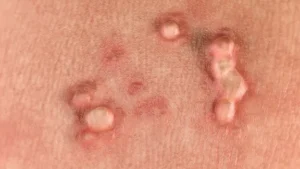
What Is Warts Treatment in Indore?
Warts Treatment in Indore focuses on removing or reducing visible warts and managing any discomfort they cause. Depending on the situation, treatment may involve prescription topical medicines, cryotherapy, or another procedure performed by a trained healthcare professional. Treatment can remove visible warts, but the warts may return. This can happen because HPV may remain in nearby tissue even after the visible growths have been treated. The right approach depends on the location, size, number, and appearance of the warts. Some cases may be managed with prescribed treatment, while others may benefit from a medical procedure.
If you are looking for a Warts Doctor Near Vijay Nagar, choose a qualified provider who can assess the growths and explain suitable treatment options. Confirm the availability of the service before booking. Avoid home remedies, cutting growths, or using ordinary wart-removal products on sensitive skin. These approaches can cause burns, bleeding, infection, or scarring.
Is HPV Treatment Different for Men and Women?
HPV Treatment for Men in Indore and HPV Treatment for Women in Indore depends mainly on the affected area and the type of HPV-related problem. For men, care may involve examining and treating warts. Unusual lesions may need additional assessment. For women and other people with a cervix, appropriate cervical screening may also be important. If screening identifies abnormal cell changes, the healthcare professional will explain whether monitoring, further testing, or treatment is recommended.
Other factors can affect care, including pregnancy, immune status, medication use, and previous medical history. There is no single treatment plan that suits everyone. A qualified healthcare professional can explain the most suitable options for the individual situation.
Can HPV Cause Cervical Cancer or Other Cancers?
Yes. Persistent infection with certain high-risk HPV types can cause cervical cancer. High-risk HPV is also associated with some cancers of the anus, penis, vulva, vagina, and oropharynx, which includes parts of the throat and the back of the mouth. However, most HPV infections do not become cancer. Many clear naturally, and an HPV diagnosis does not mean that a person has cancer.
The main concern is persistent infection with high-risk types that may cause cell changes over time. Appropriate screening can identify certain cervical changes before they develop into cancer. Follow the screening guidance recommended for your age, anatomy, medical history, and location. If a screening result is abnormal, attend the recommended follow-up rather than ignoring it. Seek medical advice for unusual growths, persistent sores, unexplained bleeding, or other changes that concern you.
Can the HPV Vaccine Help Prevent HPV Infection?
Yes. HPV vaccination helps protect against important HPV types, including types responsible for many warts and several HPV-related cancers, depending on the vaccine used. Vaccination generally provides the greatest benefit before a person is exposed to HPV. However, some people may still benefit from vaccination later, depending on their age, vaccination history, and applicable recommendations. The vaccine prevents new infections from targeted HPV types; it does not treat an existing infection, remove current warts, or replace recommended cervical screening. If you are considering vaccination, ask a qualified healthcare professional about eligibility, the appropriate schedule, and the options available locally.
How Can You Reduce the Risk of HPV Infection?
Although no method prevents every HPV infection, several steps can reduce risk and support long-term health.
- Consider HPV vaccination: Ask a healthcare professional whether vaccination is appropriate for you.
- Use condoms or barriers correctly: These can lower the risk of transmission but do not provide complete protection against HPV.
- Follow cervical screening recommendations: Eligible people should attend screening at the recommended intervals.
- Get unusual growths assessed: Do not assume that every bump is a wart or that every wart-like growth is harmless.
- Follow medical advice: Attend recommended follow-up appointments and complete any prescribed treatment.
- Discuss concerns openly: A healthcare professional can provide individual guidance without judgment.
If a partner has warts or a confirmed HPV-related condition, a medical professional can explain what assessment or preventive steps may be appropriate.
When Should You See a Doctor for Warts or Other Changes?
Arrange a medical assessment if you notice new growths, persistent sores, unexplained bleeding, or unusual changes around the genital or anal area.
Seek prompt evaluation if a lesion:
- Grows or changes rapidly.
- Bleeds without a clear reason.
- Becomes ulcerated or increasingly painful.
- Changes colour or develops an unusual appearance.
- Does not improve or remains unexplained.
These signs do not automatically mean cancer or HPV. They indicate that the area should be assessed rather than treated at home. If you are worried about an unusual growth, a healthcare professional can examine it, discuss the possible causes, and recommend appropriate treatment or testing.
Where Can You Find HPV Treatment in Vijay Nagar, Indore?
If you are searching for HPV Treatment in Vijay Nagar, Indore, look for a qualified healthcare professional who evaluates skin conditions and can explain the available options for HPV-related problems.
Before booking an appointment, ask whether the provider can:
- Assess unusual growths.
- Diagnose and manage warts.
- Arrange cervical screening or HPV testing when indicated.
- Refer you for further evaluation if a lesion looks unusual.
- Explain HPV vaccination and prevention options.
People searching for an HPV Doctor Near Vijay Nagar or an HPV Specialist in Indore should verify the provider’s qualifications and relevant services directly. Dr. Vaishali Singh’s availability for HPV-specific evaluation, wart treatment, or related services has not been confirmed here. Contact the clinic before visiting to check whether the required service is offered or whether a referral is available.
How Can You Find HPV Testing Near Scheme No. 78 or Dewas Naka?
If you are looking for HPV Screening in Indore, first clarify whether you need cervical screening, assessment of visible warts, or investigation of another symptom. These are different clinical situations and may require different approaches. You may contact a qualified provider advertising STI Testing in Vijay Nagar, Indore, an STD Clinic in Indore, an STI Doctor in Indore, or a Sexual Health Clinic in Indore to ask about relevant services.
People searching for HPV Testing Near Scheme No. 78 or STD Treatment Near Dewas Naka should confirm what the provider actually offers. Not every clinic or laboratory provides every type of HPV test, and routine HPV testing is not appropriate for everyone. Ask whether the provider can perform the required evaluation, arrange appropriate screening, or refer you to a suitable service. Choose care based on your symptoms and medical needs rather than assuming that every provider offers the same tests.