Hair Fall Treatment in Indore – Healthy Hair Starts With the Right Care
Hair fall is one of the most common hair problems faced by both men and women. Seeing a few hairs on your pillow, comb, or bathroom floor can be normal. But when hair fall becomes frequent, excessive, or starts making your hair look thinner, it may be time to understand the reason behind it. Dr. Vaishali Singh, M.B.B.S., M.D. (Dermatology), provides dermatology consultation for people experiencing hair fall, hair thinning, scalp concerns, and other hair-related problems in Indore. Good hair care is not only about using expensive shampoos or oils. Hair fall can happen because of many different reasons, including stress, poor nutrition, hormonal changes, illness, scalp conditions, genetics, or certain medicines. Finding the actual reason is an important part of choosing the right treatment. If you are looking for Hair Fall Treatment in Indore, professional consultation can help you understand why your hair is falling and what treatment options may be suitable for your condition. Located in Scheme No. 78, Vijay Nagar, Dr. Vaishali Singh focuses on personalised dermatology care based on your hair, scalp, medical history, and individual needs. Book a Consultation With Dr. Vaishali SinghWhy Does Hair Fall Happen?
Hair naturally grows, rests, and falls as part of its normal growth cycle. Losing some hair every day can be normal. The problem begins when the amount of hair falling becomes noticeably higher or when new hair does not grow at the same rate. There is no single reason for hair fall. Different people can lose hair for completely different reasons. Hair Fall Treatment in Indore Some common causes include:- Stress and lack of sleep
- Poor diet or nutritional deficiencies
- Sudden weight loss
- Hormonal changes
- Thyroid-related problems
- Iron or vitamin deficiencies
- Pregnancy and childbirth
- Certain medicines
- Scalp infections
- Dandruff and scalp inflammation
- Genetic hair thinning
- Excessive heat styling
- Frequent chemical treatments
- Tight hairstyles
- Illness or high fever
- Physical or emotional stress
Hair Fall Treatment in Indore for Different Types of Hair Concerns
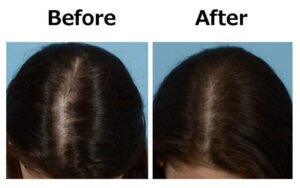
Hair fall does not look the same in everyone. Some people notice a few extra hairs while combing. Others may see a widening hair part, thinning near the forehead, or visible scalp. Common hair concerns include:Excessive Hair Shedding
You may notice more hair than usual on your pillow, clothes, comb, or while washing your hair.Hair Thinning
Your hair may slowly become thinner, especially around the crown, forehead, or central parting.Receding Hairline
Some people develop gradual thinning around the forehead and temples.Patchy Hair Loss
Small round or irregular patches of hair loss can have different causes and should be evaluated by a dermatologist.Hair Breakage
Sometimes the problem is not hair loss from the roots but breakage caused by heat, chemicals, dryness, or mechanical damage.Scalp Problems
Itching, dandruff, redness, scaling, or infections can sometimes affect scalp health and contribute to hair problems. The treatment depends on the cause. There is no single treatment that is suitable for everyone.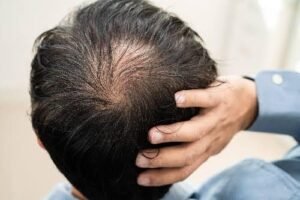
When Should You See a Hair Fall Doctor in Indore?
A few loose hairs are usually not a reason to panic. However, you should consider professional consultation if you notice:- Sudden increase in hair fall
- Hair becoming thinner over time
- Visible scalp
- Widening of the hair part
- Receding hairline
- Bald patches
- Excessive hair breakage
- Scalp itching or redness
- Pain or scaling on the scalp
- Hair fall after illness
- Hair fall after rapid weight loss
- Hair fall continuing for several months
What Happens During a Hair Fall Consultation?
Many people feel confused when they first visit a dermatologist for hair fall. The consultation is usually focused on understanding your complete hair and scalp history.1. Understanding Your Problem
You may be asked when your hair fall started, how quickly it developed, and whether it is getting better or worse.2. Medical History
Your dermatologist may ask about recent illness, stress, weight changes, medications, diet, hormonal changes, and family history.3. Scalp Examination
The scalp and hair may be examined to look for signs of thinning, inflammation, dandruff, infection, or other changes.4. Identifying Possible Causes
Depending on your symptoms, your dermatologist may determine whether further evaluation or tests are needed.5. Personalised Treatment Plan
Treatment recommendations depend on the cause, type, severity, age, medical history, and individual condition. The goal is not simply to stop hair from falling for a few days. The aim is to understand the reason behind the problem and manage it appropriately.Hair Loss Treatment in Indore – Why Finding the Cause Matters
Hair fall can sometimes be a sign that something else is happening inside the body. For example, a person with poor nutrition may need nutritional improvement. Someone with a scalp condition may need treatment for that condition. Another person may have genetic hair thinning that requires a completely different approach. This is why Hair Loss Treatment in Indore should be based on individual assessment rather than copying another person’s treatment. A treatment that helped your friend may not be right for you. Similarly, using multiple hair products at the same time can sometimes make it difficult to understand what is actually helping. A dermatologist can guide you about suitable options based on your condition.Ready to Begin Your Skin Care Journey?
Contact Dr. Vaishali Singh for a personalized consultation.
What Should You Eat for Healthy Hair?
Your hair needs proper nutrition to grow. You do not need a complicated diet. A balanced diet containing enough protein, vitamins, minerals, healthy fats, fruits, vegetables, and whole grains can support overall health.Protein-Rich Foods
Hair is mainly made from a protein called keratin. Include protein-rich foods such as:- Dal
- Paneer
- Curd
- Milk
- Soy
- Tofu
- Beans
- Chickpeas
- Peanuts
- Nuts and seeds
Iron-Rich Foods
Iron is an important nutrient for the body. Vegetarian sources include:- Spinach and other leafy vegetables
- Lentils
- Beans
- Chickpeas
- Sesame seeds
- Pumpkin seeds
- Raisins
- Dates
Fruits and Vegetables
Colourful fruits and vegetables provide different vitamins, minerals, and antioxidants. Try to include:- Guava
- Oranges
- Papaya
- Apples
- Berries
- Carrots
- Tomatoes
- Green vegetables
- Capsicum
Healthy Fats
Nuts, seeds, and other healthy fat sources can be included as part of a balanced diet. Remember: eating one “hair food” will not suddenly stop hair fall. Overall nutrition matters more than one particular food.What Should You Avoid Eating Too Much?
There is no universal “hair fall food” that everyone must completely avoid. However, a diet that is regularly high in highly processed foods, sugary drinks, excessive fried foods, and low in essential nutrients may not support good overall health. Try to reduce:- Excessive sugary drinks
- Frequent packaged snacks
- Very high amounts of fried food
- Highly processed meals
- Crash diets
- Skipping meals regularly
- Extremely restrictive diets
Can Stress Cause Hair Fall Treatment in Indore?
Yes, stress can be associated with increased hair shedding in some people. Work pressure, poor sleep, emotional stress, illness, or major life changes may affect the normal hair growth cycle. Sometimes hair shedding does not begin immediately after the stressful event. It may become noticeable later. That is why it is important to think about what was happening in your life several weeks or months before the hair fall started. You cannot remove every source of stress from life, but you can work on healthy habits. Try:- Getting regular sleep
- Walking or exercising
- Taking short breaks during work
- Staying hydrated
- Eating regular meals
- Practising relaxation techniques
- Avoiding unnecessary stress about every fallen hair
Hair Care Habits That Can Help
Healthy hair care does not need to be complicated.Be Gentle While Washing
Avoid aggressively scratching or rubbing your scalp.Avoid Very Tight Hairstyles
Constant pulling can put stress on the hair.Reduce Excessive Heat
Frequent use of very hot straighteners, curlers, and blow dryers can damage the hair shaft.Be Careful With Chemical Treatments
Frequent colouring, straightening, rebonding, or other chemical procedures can weaken hair.Do Not Pull Wet Hair
Wet hair can be more vulnerable to breakage. Handle it gently.Choose Products According to Your Scalp
A product that works for one person may not work for another.Do Not Believe Every Online Hair Hack
Social media is full of quick hair-growth tricks. Some may be harmless, while others may irritate your scalp or delay proper treatment. If you have persistent hair fall, professional advice is safer than trying dozens of products one after another.Hair Treatment in Indore – What Treatment May Be Recommended?
The right Hair Treatment in Indore depends on the reason for your hair problem. Depending on the condition, a dermatologist may recommend medical treatment, scalp care, lifestyle changes, nutritional correction, or other appropriate options. Treatment may be different for:- Genetic hair thinning
- Excessive hair shedding
- Nutritional deficiencies
- Scalp infections
- Dandruff-related scalp problems
- Hormonal causes
- Hair breakage
- Patchy hair loss
- Hair loss associated with certain medical conditions
Can Hair Oil Stop Hair Fall?
Hair oil can make hair feel softer and may help with dryness, but oil alone cannot treat every medical cause of hair fall. For example, if hair loss is related to a medical condition, nutritional deficiency, hormonal problem, genetic pattern, or scalp disease, simply applying more oil may not address the underlying cause. You can use hair oil if it suits your scalp and hair, but avoid aggressive massage or scratching. If oiling causes itching, pimples, irritation, or increased scalp discomfort, stop using it and discuss the problem with a dermatologist.Ready to Begin Your Skin Care Journey?
Contact Dr. Vaishali Singh for a personalized consultation.