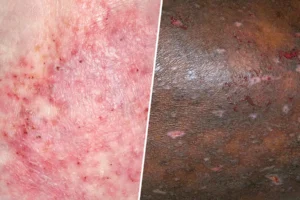
Eczema is a common skin condition that can cause dryness, itching, redness, irritation, scaling, and inflammation. It can affect people of different ages, including children and adults, and may appear on the face, hands, arms, legs, neck, or other areas of the body. If you are looking for Eczema Treatment in Indore, it is important to understand that eczema can have different causes, patterns, and triggers. Symptoms may sometimes improve and then return, especially when the skin is exposed to a personal trigger.
Dr. Vaishali Singh, M.B.B.S., M.D. (Dermatology), provides consultation for eczema and various other skin, hair, and nail concerns. Patients searching for an Eczema Doctor in Indore can consult a dermatologist to understand their symptoms, possible triggers, and suitable treatment options. The clinic in Scheme No. 78, Vijay Nagar, also provides a convenient location for patients looking for an Eczema Treatment Clinic in Indore. Treatment is planned according to the patient’s age, symptoms, skin condition, affected area, severity, type of eczema, and frequency of flare-ups. Not every itchy or red rash is eczema. Several other skin conditions can look similar, which is why professional evaluation can be helpful before starting treatment.
Eczema Treatment in Indore: Understanding Eczema and Its Symptoms
Eczema affects the skin barrier and can make the skin more sensitive to dryness, irritants, and environmental changes.
Some people experience occasional flare-ups, while others may have recurring or chronic symptoms. The appearance of eczema can also vary depending on the person’s age and the part of the body affected.
Common symptoms include:
- Dry skin
- Itching
- Redness
- Scaling
- Skin irritation
- Cracking
- Swelling
- Burning or discomfort
- Thickened skin from repeated scratching
- Oozing or crusting in some cases
The severity of symptoms can also change over time. A person may have periods when the skin appears relatively calm followed by periods when itching and inflammation become more noticeable.
What Is Eczema? Understanding Eczema Skin Treatment in Indore
Eczema is a group of inflammatory skin conditions that can cause dry, itchy, irritated, or inflamed skin. One important feature of eczema is a weakened or sensitive skin barrier. The skin barrier normally helps keep moisture inside the skin and protects it from external irritants. When this barrier is not working properly, moisture can escape more easily. The skin may then become dry and more sensitive. For patients looking for Eczema Skin Treatment in Indore, understanding this skin-barrier problem is important because treatment often involves both managing inflammation and supporting the skin’s natural protective barrier.
Is Eczema Contagious?
No. Eczema itself is not contagious. It does not normally spread from one person to another through touching, hugging, sharing a room, or ordinary physical contact. However, some infections can look similar to eczema. If a rash is spreading, changing rapidly, or not improving as expected, a dermatologist can help determine the actual cause.
Eczema vs Dry Skin
Dry skin and eczema can sometimes appear similar, but they are not always the same. Simple dry skin may improve with regular moisturization and avoiding harsh products. Eczema may involve more persistent itching, inflammation, recurring flare-ups, or skin sensitivity. If dry skin continues despite basic care, professional evaluation may be appropriate.
What Causes Eczema?
Eczema does not have one single cause. It can develop because of a combination of genetic, environmental, skin-barrier, and lifestyle-related factors.
Triggers are also different for different people.
Genetic Tendency
Some people may have a genetic tendency toward eczema or other allergic and inflammatory conditions. A family history can increase the likelihood of developing eczema, but it does not mean that a person will definitely develop the condition.
Sensitive Skin Barrier
A weakened skin barrier can cause the skin to lose moisture more easily. This may make the skin more sensitive to soaps, detergents, weather changes, and other environmental factors.
Dry Weather
Dry weather can remove moisture from the skin and may make eczema symptoms worse for some people. Maintaining regular moisturization can be particularly important when the skin becomes dry.
Soaps and Detergents
Harsh soaps, detergents, fragrances, and certain skincare products may irritate sensitive skin. If you notice that symptoms become worse after using a particular product, discuss it with your dermatologist.
Certain Fabrics
Rough or irritating fabrics may make eczema-prone skin uncomfortable. Soft, breathable clothing may be more comfortable for some patients.
Sweating and Heat
Heat and sweating can trigger itching or irritation in some people. This may be particularly noticeable during hot weather or physical activity.
Stress
Stress does not necessarily cause eczema, but it may worsen symptoms in some individuals. At the same time, persistent itching and visible skin changes can themselves become stressful.
Allergens
Certain allergens may contribute to symptoms in some individuals. However, not every person with eczema has the same allergy or trigger.
Common Symptoms of Eczema
Eczema can look different depending on the type of condition, age, affected area, and severity.
Common symptoms include:
- Dry or rough skin
- Persistent itching
- Redness
- Flaky or scaly skin
- Skin irritation
- Cracked skin
- Swelling
- Burning or discomfort
- Thickened skin caused by repeated scratching
- Oozing
- Crusting
- Changes in skin texture
Itching can become particularly troublesome because repeated scratching may further damage the skin. If symptoms are persistent, severe, or repeatedly returning, professional assessment can help determine whether eczema is the cause.
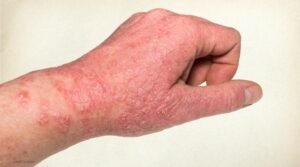
Types of Eczema: Common Conditions Explained
Eczema is not one single condition. Different forms can affect different areas and may have different patterns.
Atopic Dermatitis
Atopic dermatitis is one of the most common forms of eczema. It often begins during childhood but can also affect adults. It may cause dry, itchy, inflamed skin on areas such as the face, arms, legs, hands, or skin folds. Symptoms can come and go, with periods of improvement followed by flare-ups.
Contact Dermatitis
Contact dermatitis develops when the skin reacts to an irritant or allergen.
Possible triggers include:
- Soaps
- Detergents
- Cosmetics
- Fragrances
- Cleaning products
- Metals
- Workplace chemicals
- Certain substances that touch the skin
Identifying the trigger can be an important part of managing contact dermatitis.
Dyshidrotic Eczema
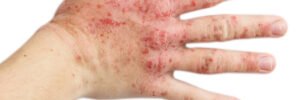
Dyshidrotic eczema commonly affects the hands and feet. It may cause small, itchy blisters along with dryness, peeling, cracking, or irritation. Heat, sweating, stress, and certain exposures may contribute to symptoms in some individuals.
Nummular Eczema
Nummular eczema can cause round or coin-shaped patches on the skin. The patches may be dry, itchy, scaly, or inflamed. Because several other conditions can also cause circular rashes, professional diagnosis is important.
Seborrheic Dermatitis
Seborrheic dermatitis commonly affects oily areas such as the scalp, face, and other parts of the body. It may cause redness, flaking, scaling, and irritation. Its appearance can overlap with other skin conditions, so a dermatologist can help determine the most likely diagnosis.
How Is Eczema Diagnosed by a Dermatologist for Eczema in Indore?
A Dermatologist for Eczema in Indore may use several steps to evaluate your skin and understand your symptoms.
1. Medical History
The dermatologist may ask when the symptoms began, how frequently they occur, and whether you have experienced similar problems before.
2. Skin Examination
The affected skin is examined for dryness, redness, scaling, swelling, cracking, and other characteristics.
3. Symptom History
Information about itching, discomfort, flare-ups, and how symptoms have changed over time can be useful.
4. Possible Triggers
You may be asked about soaps, detergents, cosmetics, clothing, weather, sweating, workplace exposure, stress, and other possible triggers.
5. Previous Treatment
Tell your dermatologist about creams, medicines, skincare products, or other treatments you have previously used.
6. Personal and Family History
A personal or family history of eczema or other inflammatory and allergic conditions may be relevant.
7. Additional Testing
Most eczema cases can be assessed through clinical examination, but additional testing may sometimes be considered when the diagnosis is uncertain.
Eczema Treatment in Indore: Treatment Options
The goal of eczema treatment is generally to control inflammation and itching, improve the skin barrier, manage triggers, and reduce flare-ups.
The appropriate approach depends on several factors, including:
- Age
- Type of eczema
- Severity
- Affected body area
- Frequency of flare-ups
- Skin condition
- Individual triggers
- Previous treatment response
There is no single treatment that works exactly the same way for every patient.
Moisturizers and Eczema Skin Treatment in Indore
Regular moisturization is an important part of eczema management because eczema-prone skin can lose moisture easily. A dermatologist may recommend an appropriate moisturizer depending on your skin condition. Regular moisturization may help support the skin barrier and reduce excessive dryness.
Helpful skincare practices may include:
- Moisturizing regularly
- Using gentle cleansers
- Avoiding unnecessary fragrances
- Avoiding harsh skincare products
- Protecting the skin from excessive dryness
- Following your dermatologist’s skincare recommendations
Consistent skin-barrier care can be an important part of Eczema Skin Treatment in Indore.
Topical Treatments for Eczema
Depending on the type and severity of eczema, a dermatologist may recommend topical treatments. These may include anti-inflammatory treatments or other prescribed medicines that are selected according to the patient’s condition.
Topical treatment choices can depend on:
- Patient age
- Body area
- Severity
- Skin thickness
- Type of eczema
- Medical history
Prescription treatments should be used according to professional medical advice. Avoid using prescription medicines on your own or changing their use without consulting your dermatologist.
Chronic Eczema Treatment in Indore
Some people experience eczema for long periods or have frequent flare-ups. Chronic Eczema Treatment in Indore may require a more structured approach that focuses not only on treating active symptoms but also on maintaining the skin and identifying factors that contribute to flare-ups.
Depending on the condition, a dermatologist may consider:
- Prescription treatments
- Additional therapies
- Trigger identification
- Regular follow-ups
- Skin-barrier care
- Advanced treatment options when appropriate
Treatment may be adjusted over time depending on how the skin responds.
Eczema Treatment for Children in Indore
Eczema is common in children and can cause significant itching and discomfort. Because children’s skin and treatment requirements can differ from adults, Eczema Treatment for Children in Indore should be age-appropriate.
Management may include:
- Gentle skincare
- Regular moisturization
- Avoiding known irritants
- Keeping nails short
- Reducing excessive scratching
- Following recommended treatment
- Monitoring recurring symptoms
Parents should consider professional evaluation if the child’s symptoms are persistent, severe, affecting sleep, or interfering with normal activities.
Eczema Treatment for Adults in Indore
Adults can experience eczema because of several factors, including environmental exposure, workplace irritants, stress, weather changes, skincare products, and personal triggers. Eczema Treatment for Adults in Indore may focus on understanding these factors while managing active symptoms.
Common considerations include:
- Frequent hand washing
- Cleaning products
- Workplace chemicals
- Stress
- Heat and sweating
- Weather changes
- Fragranced products
- Recurring flare-ups
A dermatologist can help identify which factors may be relevant to your individual condition.
How Can You Manage Eczema at Home?
Daily skincare can support professional eczema treatment.
Useful habits include:
- Moisturize regularly.
- Use lukewarm rather than very hot water.
- Keep baths and showers reasonably short.
- Use gentle cleansers.
- Avoid unnecessary fragrances.
- Keep your nails short.
- Avoid scratching whenever possible.
- Wear soft and breathable clothing.
- Identify personal triggers.
- Protect the skin from excessive dryness.
- Follow the treatment plan provided by your dermatologist.
Home care can support symptom management but does not replace professional evaluation when eczema is severe, persistent, recurrent, or difficult to identify.
What Can Trigger an Eczema Flare-Up?
Eczema triggers vary from person to person.
Possible triggers include:
- Dry weather
- Excessive heat
- Sweating
- Stress
- Fragrances
- Harsh soaps
- Detergents
- Certain fabrics
- Dust or environmental irritants
- Scratching
- Individual allergens
You may find it useful to notice when flare-ups occur. For example, some people may notice symptoms after using a new skincare product, during hot weather, after sweating, or when exposed to a particular irritant.
Eczema and Stress: Is There a Connection?
Stress can sometimes make eczema symptoms worse, although it is not considered the only cause of eczema. Persistent itching can also affect sleep, concentration, mood, and daily activities, which may increase stress. Maintaining healthy routines, getting adequate rest, exercising when appropriate, and using relaxation techniques may support overall wellbeing. If stress appears to coincide with repeated flare-ups, discuss the pattern with your dermatologist.
Is Eczema Contagious?
Eczema is not contagious.
You cannot normally catch eczema from another person through touching, hugging, shaking hands, or ordinary physical contact. However, some infectious conditions can look similar to eczema. For example, certain fungal or bacterial infections may cause redness, itching, scaling, or crusting. If the diagnosis is unclear, professional examination is important rather than assuming that every rash is eczema.
Can Eczema Be Permanently Cured?
Eczema is often a long-term condition that can be managed with appropriate treatment and skincare. Some people may experience long periods with minimal symptoms, while others may have recurring flare-ups.
The focus of eczema management is generally on:
- Controlling symptoms
- Reducing inflammation
- Supporting the skin barrier
- Identifying personal triggers
- Reducing flare-ups
- Maintaining consistent skincare
Individual responses vary, so treatment should be personalized rather than based on a promise of permanent results.
When Should You See an Eczema Specialist in Indore?
Consider consulting an Eczema Specialist in Indore if you experience:
- Persistent itching
- Repeated flare-ups
- Painful or cracked skin
- Bleeding caused by scratching
- Oozing or crusting
- Symptoms affecting sleep
- Symptoms interfering with daily activities
- A rash that does not improve with basic skincare
- Uncertainty about whether the rash is eczema
Professional evaluation can help determine the cause of your symptoms and whether eczema is the appropriate diagnosis.
Eczema Treatment in Vijay Nagar, Indore
People living or working in Vijay Nagar may prefer a dermatologist who is conveniently located for consultation and follow-up. Dr. Vaishali Singh provides dermatology consultation in Scheme No. 78, Vijay Nagar, Indore, including consultation for eczema and other dermatological concerns. If you are searching for Eczema Treatment in Vijay Nagar, Indore, a professional consultation can help assess your symptoms and determine an appropriate treatment approach.
Patients looking for an Eczema Doctor Near Vijay Nagar can consult for concerns such as:
- Persistent dryness
- Itching
- Redness
- Skin irritation
- Recurring rashes
- Cracked skin
- Eczema flare-ups
Eczema Clinic in Vijay Nagar
If you are looking for an Eczema Clinic in Vijay Nagar, professional diagnosis is an important first step. An itchy rash is not automatically eczema. A dermatologist can examine the affected skin and consider other possible causes before recommending treatment.
Eczema Treatment Near Scheme No. 78
For people living or working around Scheme No. 78, having access to a nearby dermatologist can make consultation and follow-up easier. If you are searching for an Eczema Doctor Near Scheme No. 78, Dr. Vaishali Singh’s clinic in Vijay Nagar provides dermatological consultation for eczema and other skin concerns. Patients searching for Eczema Treatment Near Scheme No. 78 can discuss persistent dryness, itching, redness, inflammation, and recurring flare-ups with a dermatologist. The appropriate treatment plan depends on the individual’s diagnosis, age, symptoms, and skin condition.
Eczema Treatment in Dewas Naka
People around Dewas Naka may search for professional care when they experience persistent dryness, itching, redness, or recurring rashes. Eczema Treatment in Dewas Naka should begin with an appropriate assessment because different skin conditions can sometimes appear similar. If symptoms continue despite basic skincare or repeatedly return, a dermatologist can evaluate the skin and discuss suitable management options.
What Is the Eczema Treatment Cost in Indore?
The Eczema Treatment Cost in Indore can vary from patient to patient. There is no fixed cost because treatment depends on the individual condition and the level of care required.
Factors that may affect the cost include:
- Type of eczema
- Severity
- Duration of symptoms
- Consultation
- Prescribed medicines
- Follow-up visits
- Additional testing when medically required
- Advanced treatment options for difficult cases
An individual consultation is the most appropriate way to understand the expected treatment plan and associated costs.
How Can You Prevent Eczema Flare-Ups?
Eczema cannot always be completely prevented, but consistent skin care and trigger management may help reduce flare-ups.
Moisturize Regularly
Regular moisturization can help support the skin barrier and reduce excessive dryness.
Identify Your Triggers
Pay attention to products, weather conditions, fabrics, sweating, stress, or other factors that appear to coincide with flare-ups.
Avoid Harsh Soaps
Choose gentle cleansing products and avoid products that repeatedly irritate your skin.
Avoid Scratching
Scratching can further damage the skin and increase irritation. Keeping nails short may reduce accidental skin damage.
Protect Your Skin
Try to avoid excessive exposure to very hot water, harsh chemicals, or known irritants.
Follow Your Treatment Plan
If your dermatologist has recommended treatment, use it according to the instructions provided.
Attend Follow-Up Appointments
Patients with recurring or chronic eczema may benefit from follow-up consultations to monitor symptoms and adjust management when necessary.
Why Choose an Eczema Treatment Clinic in Indore?
Eczema can look different in different patients, and several other skin conditions may produce similar symptoms.
Professional evaluation can help with:
Accurate Diagnosis
A dermatologist can examine your skin and determine whether your symptoms are consistent with eczema.
Identifying the Type of Eczema
Different forms of eczema can have different patterns and triggers.
Understanding Triggers
Identifying personal triggers may help reduce repeated flare-ups.
Personalized Treatment
Treatment can be planned according to age, severity, location, symptoms, and individual circumstances.
Appropriate Treatment Selection
A dermatologist can determine whether topical or other treatments may be suitable.
Long-Term Management
For recurring eczema, professional follow-up can help create a practical long-term management plan.
An Eczema Treatment Clinic in Indore can therefore help with both active symptoms and longer-term eczema management.