Understanding Psoriasis and Getting the Right Dermatology Care
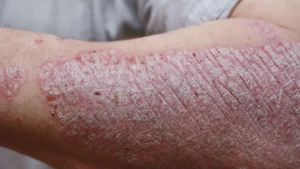
Psoriasis is a chronic inflammatory skin condition that can cause red or inflamed patches, scaling, itching, dryness, and skin discomfort. Symptoms can appear on different parts of the body and may improve for a period before becoming active again. Psoriasis Treatment in Indore focuses on understanding the type and severity of psoriasis and choosing suitable treatment according to the individual’s condition. Because psoriasis can look different from one person to another, professional dermatological evaluation is an important first step. If you are looking for a Psoriasis Doctor in Indore, a dermatologist can examine your skin, understand your symptoms and medical history, and discuss appropriate treatment options. A Psoriasis Treatment Clinic in Indore can also provide ongoing care when psoriasis requires long-term management. Psoriasis is not simply a problem of dry skin. It involves inflammation and changes in the normal skin-cell cycle. With appropriate medical care, many people can manage their symptoms and improve their skin comfort.
What Is Psoriasis?
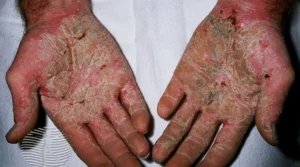
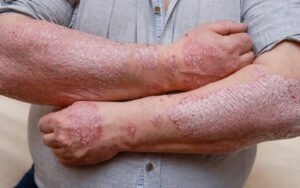
Psoriasis is a chronic inflammatory condition in which the immune system plays an important role. Normally, skin cells develop and are replaced gradually. With psoriasis, this process can become much faster, causing skin cells to build up on the surface. This buildup may create thickened patches covered with whitish or silvery scales. Depending on the type of psoriasis, the affected areas may also become itchy, dry, cracked, sore, or uncomfortable. Psoriasis can affect the elbows, knees, scalp, lower back, hands, feet, nails, and other areas. Some forms can affect skin folds or produce small spots over larger areas of the body. Importantly, psoriasis is not contagious. It does not normally spread from one person to another through touching, hugging, sharing food, or ordinary social contact. Symptoms can also come and go. Some people experience periods when their skin is relatively calm and other periods when symptoms become more noticeable. This is why psoriasis often requires ongoing management rather than a one-time approach. For patients seeking Psoriasis Skin Treatment in Indore, accurate identification of the condition is important because several other skin conditions can cause redness, scaling, itching, or irritation.
What Causes Psoriasis?
There is no single cause of psoriasis. It develops through a combination of immune-system activity, genetic factors, and environmental influences. A person may have a genetic tendency toward psoriasis but never develop noticeable symptoms. In other people, certain factors may contribute to the appearance or worsening of symptoms.
Possible contributing factors and triggers include:
- Immune-system activity
- Family history of psoriasis
- Genetic factors
- Emotional or physical stress
- Skin injuries
- Certain infections
- Weather changes
- Cold or dry conditions
- Some medications
- Smoking
- Alcohol
- Individual environmental triggers
Not every trigger affects every person. Something that appears to worsen symptoms in one individual may have little effect on another. For this reason, identifying personal patterns can be useful when managing recurring psoriasis symptoms.
What Are the Common Symptoms of Psoriasis?
Psoriasis symptoms can vary according to the type of psoriasis, the affected body area, and the severity of the condition.
Common symptoms may include:
- Red or inflamed patches
- Thickened areas of skin
- Whitish or silvery scales
- Itching
- Dry skin
- Cracked skin
- Burning or soreness
- Bleeding from severely cracked skin
- Scalp scaling
- Nail discoloration
- Nail pitting
- Thickened or separated nails
- Joint pain or stiffness in people who develop psoriatic arthritis
Some people have only small patches, while others may have larger areas of affected skin. If symptoms continue, recur frequently, or interfere with sleep and everyday activities, professional dermatological evaluation can help determine the appropriate next step.
What Are the Different Types of Psoriasis?
Plaque Psoriasis
Plaque psoriasis is a common form of psoriasis. It can produce raised, inflamed patches of skin that are often covered with whitish or silvery scales. These patches may appear on the elbows, knees, scalp, lower back, or other parts of the body. They may itch, feel dry, or become uncomfortable.
Scalp Psoriasis
Scalp psoriasis affects the skin of the scalp and may cause scaling, itching, redness, and irritation. It can sometimes be confused with ordinary dandruff. However, the appearance, severity, and underlying causes can be different, so persistent scalp scaling should be professionally assessed.
Guttate Psoriasis
Guttate psoriasis can cause many small, drop-like spots on the skin. It may develop relatively suddenly and can sometimes occur following an infection. Because several skin conditions can produce widespread spots or rashes, professional assessment is useful when these symptoms appear.
Inverse Psoriasis
Inverse psoriasis commonly affects skin folds, including the underarms, groin, or areas beneath the breasts. Instead of the thick scaling commonly associated with plaque psoriasis, inverse psoriasis may appear as smooth, red, or inflamed patches. Moisture and friction in skin folds can contribute to discomfort.
Pustular Psoriasis
Pustular psoriasis can produce pus-filled bumps surrounded by inflamed skin. It can affect specific areas or, in some cases, larger portions of the body. Some forms of pustular psoriasis can be serious and require prompt medical assessment. New or rapidly developing widespread symptoms should therefore not be self-treated.
Nail Psoriasis
Psoriasis can affect the fingernails and toenails. Possible changes include:
- Small pits in the nails
- Discoloration
- Thickening
- Crumbling
- Changes in nail texture
- Separation of the nail from the nail bed
Nail changes can have several causes, so a dermatologist can help determine whether psoriasis is responsible.
Psoriatic Arthritis
Some people with psoriasis can develop inflammation involving the joints. Symptoms may include joint pain, swelling, or stiffness. If you have psoriasis and notice persistent joint symptoms, discuss them with a healthcare professional. Early assessment can help determine whether further evaluation is appropriate.
How Is Psoriasis Diagnosed?
A dermatologist usually diagnoses psoriasis through a detailed medical history and examination of the skin.
During a consultation, the doctor may consider:
- Your current symptoms
- How long the symptoms have been present
- Previous episodes
- Medical history
- Family history
- Examination of affected skin
- Examination of the scalp and nails
- Possible triggers
- Previous treatments
- Additional testing when medically appropriate
There is not always a single test that confirms psoriasis. A clinical examination is often an important part of diagnosis. A Dermatologist for Psoriasis in Indore can also help distinguish psoriasis from other conditions that may cause similar-looking redness, scaling, itching, or inflammation. Accurate diagnosis matters because treatment should be selected according to the actual condition rather than based only on appearance.
Psoriasis Treatment in Indore
The goal of Psoriasis Treatment in Indore is generally to control inflammation, reduce scaling and itching, improve skin comfort, and help manage flare-ups. There is no single treatment that works for everyone. A dermatologist considers several factors before recommending a treatment approach.
These may include:
- Type of psoriasis
- Severity of symptoms
- Areas of the body affected
- Age
- Medical history
- Previous treatments
- Other health conditions
- Frequency of flare-ups
- Individual treatment response
Depending on the situation, treatment may involve skin care, topical therapies, phototherapy, oral or systemic treatments, biologic therapies, or a combination of approaches.
Moisturizers and Skin Care for Psoriasis
Regular moisturization can be an important part of psoriasis management. Psoriasis can make the skin dry and uncomfortable. A suitable moisturizer may help support the skin barrier, reduce dryness, soften scaling, and improve overall skin comfort. A dermatologist may recommend products according to your skin condition.
Helpful skin-care habits can include:
- Moisturizing regularly
- Avoiding harsh products
- Avoiding excessive scrubbing
- Using gentle cleansers
- Protecting the skin from excessive dryness
- Avoiding unnecessary scratching
As part of Psoriasis Skin Treatment in Indore, skin care can support other treatments recommended by your dermatologist.
Topical Treatments for Psoriasis
Topical treatments are applied directly to the affected skin. Depending on the condition, a dermatologist may recommend anti-inflammatory treatments, products that help reduce scaling, or other prescribed topical therapies. The choice depends on factors such as the location of psoriasis, severity, skin sensitivity, age, and previous treatment response. Prescription treatments should be used according to medical instructions. Applying stronger products or using someone else’s medication without professional guidance may not be appropriate.
Phototherapy for Psoriasis
Phototherapy uses controlled ultraviolet light under professional supervision. It may be considered for certain patients when topical treatment alone is not sufficient or when the affected areas require another treatment approach. Psoriasis Phototherapy Treatment in Indore may involve multiple sessions rather than a single visit. The number and frequency of sessions depend on the individual’s condition and response. Phototherapy is not suitable for everyone. A dermatologist should determine whether this approach is appropriate and monitor the treatment when it is used.
Oral and Advanced Treatments for Psoriasis
People with moderate-to-severe psoriasis may sometimes require treatment beyond creams or other topical therapies.
Depending on the individual’s condition, a dermatologist may consider:
- Oral medicines
- Systemic treatments
- Biologic therapies
- Other advanced treatment approaches
These treatments require professional evaluation and, in many cases, ongoing monitoring. The choice should be based on the severity and type of psoriasis, medical history, other health conditions, previous treatments, and individual circumstances.
Chronic Psoriasis Treatment in Indore
Psoriasis is often a long-term condition. Chronic Psoriasis Treatment in Indore therefore focuses not only on managing current symptoms but also on maintaining control over time.
Long-term management may involve:
- Regular dermatology consultations
- Monitoring changes in symptoms
- Identifying personal triggers
- Maintaining regular skin care
- Following the recommended treatment plan
- Adjusting treatment when medically appropriate
- Managing flare-ups
- Discussing new symptoms with your dermatologist
The aim is not to promise that psoriasis will never return. Instead, treatment focuses on helping patients manage the condition as effectively as possible.
Severe Psoriasis Treatment in Indore
Severe or widespread psoriasis may require more comprehensive medical management.
Signs that psoriasis may be significantly affecting your quality of life can include:
- Large areas of affected skin
- Significant itching or discomfort
- Frequent flare-ups
- Sleep disruption
- Difficulty performing daily activities
- Significant nail involvement
- Persistent or severe symptoms
- Joint pain or stiffness
Severe Psoriasis Treatment in Indore should be planned by a qualified dermatologist after evaluating the extent and severity of the condition. If psoriasis is widespread, rapidly worsening, very painful, or associated with significant illness or joint symptoms, medical evaluation should not be delayed.
What Can Trigger a Psoriasis Flare-Up?
Triggers differ from person to person. Common factors that may contribute to flare-ups include:
- Stress
- Skin injuries
- Certain infections
- Cold or dry weather
- Certain medications
- Smoking
- Alcohol
- Poor skin care
- Excessive skin dryness
- Individual environmental triggers
Keeping track of when symptoms become worse can sometimes help identify personal patterns.
However, do not stop prescribed medicines simply because you suspect they may be contributing to symptoms. Discuss concerns with your healthcare professional first.
Psoriasis and Stress: Is There a Connection?
Stress may trigger or worsen psoriasis symptoms in some people. However, stress is not the sole cause of psoriasis. Living with visible patches, itching, or recurring flare-ups can itself become stressful. This can create a difficult cycle for some patients. Stress-management strategies such as adequate sleep, regular physical activity, relaxation techniques, and maintaining supportive routines may be helpful as part of overall health management. These measures support medical treatment but do not replace dermatological care.
Is Psoriasis Contagious?
No. Psoriasis is not contagious.
It cannot normally spread from one person to another through:
- Touch
- Hugging
- Sharing food
- Sitting together
- Normal social contact
Psoriasis develops through immune-system and genetic factors rather than through ordinary person-to-person transmission. However, some infectious skin conditions can resemble psoriasis. Therefore, accurate diagnosis remains important when someone develops a new rash, scaling, or inflammation.
Can Psoriasis Be Permanently Cured?
Psoriasis is generally considered a chronic condition, and there is no universal permanent cure that works for every patient.
However, appropriate treatment can help control symptoms, reduce inflammation, improve skin comfort, and manage flare-ups.
Long-term management may involve:
- Following an individualized treatment plan
- Regular skin care
- Identifying personal triggers
- Attending follow-up appointments
- Adjusting treatment when required
- Maintaining healthy lifestyle habits
Some people experience long periods with few or no noticeable symptoms, while others may experience more frequent flare-ups. The response varies from person to person, so realistic expectations are an important part of psoriasis care.
When Should You See a Dermatologist for Psoriasis?
Professional evaluation can be useful if you notice:
- Persistent red patches
- Thick or recurring scales
- Severe itching
- Cracked or painful skin
- Frequent flare-ups
- Persistent scalp scaling
- Nail changes
- Joint pain or stiffness
- Symptoms affecting sleep
- Symptoms affecting everyday activities
A Psoriasis Specialist in Indore can assess your symptoms and determine whether they are consistent with psoriasis or another skin condition.
Early professional evaluation can also help avoid inappropriate self-treatment.
Psoriasis Treatment in Dewas Naka
People searching for Psoriasis Treatment in Dewas Naka may experience symptoms such as recurring patches, scaling, itching, dryness, or scalp and nail changes. Persistent or recurring symptoms should not automatically be assumed to be ordinary dry skin. A dermatologist can evaluate the condition and determine whether psoriasis or another skin problem may be responsible. Professional assessment is particularly useful when symptoms are spreading, recurring frequently, affecting sleep, or interfering with everyday activities.
Psoriasis Treatment Cost in Indore
The Psoriasis Treatment Cost in Indore can vary considerably because psoriasis treatment is not the same for every patient.
Factors that may influence the overall cost include:
- Type of psoriasis
- Severity
- Affected body areas
- Treatment method
- Number of consultations
- Medicines
- Phototherapy sessions, if required
- Advanced treatments
- Follow-up appointments
- Additional tests when medically necessary
There is no appropriate single fixed price for every patient. An individual consultation is the best way to understand the likely treatment approach and the associated costs for your particular condition.
How Can You Manage Psoriasis at Home?
Home care can support professional psoriasis management.
Helpful habits may include:
- Moisturizing regularly
- Avoiding unnecessary scratching
- Using gentle skin-care products
- Avoiding very hot showers
- Keeping the skin hydrated
- Identifying personal triggers
- Following prescribed treatment
- Protecting the skin from excessive dryness
- Maintaining healthy lifestyle habits
- Attending follow-up appointments when recommended
Home care does not replace medical treatment. If symptoms continue or become worse, consult a dermatologist rather than repeatedly changing products yourself.
Can Diet Help With Psoriasis?
A balanced diet can support general health, but there is no single diet proven to permanently cure psoriasis.
Useful general habits include:
- Eating a variety of fruits and vegetables
- Choosing a balanced range of foods
- Staying adequately hydrated
- Limiting highly processed foods
- Maintaining a healthy weight
- Following a sustainable eating pattern
If you notice that particular foods seem to affect your symptoms, discuss the pattern with a healthcare professional rather than eliminating large groups of foods without guidance. Dietary changes should support medical care rather than replace it.
Psoriasis and Lifestyle
Healthy lifestyle habits may support overall well-being and psoriasis management.
Consider:
- Managing stress
- Getting adequate sleep
- Staying physically active
- Avoiding smoking
- Limiting alcohol
- Maintaining a healthy weight
- Following regular skin-care habits
These measures are supportive rather than curative. Psoriasis can still require medical treatment even when a person follows a healthy lifestyle.
How Can You Prevent Psoriasis Flare-Ups?
It is not always possible to prevent every flare-up, but understanding your personal triggers may help reduce avoidable problems.
Helpful steps include:
- Identifying individual triggers
- Moisturizing regularly
- Avoiding unnecessary skin injuries
- Managing stress
- Following treatment instructions
- Treating infections promptly
- Protecting skin from excessive dryness
- Attending regular follow-ups when needed
Because psoriasis behaves differently in different people, your management plan should be personalized.
Why Choose Professional Psoriasis Treatment?
Professional dermatological evaluation is important because psoriasis can vary significantly in appearance and severity.
A dermatologist can help with:
- Accurate diagnosis
- Identifying the type of psoriasis
- Assessing severity
- Developing personalized treatment
- Selecting appropriate treatment options
- Monitoring treatment response
- Managing flare-ups
- Recognizing possible joint symptoms
- Adjusting treatment when necessary
A Psoriasis Treatment Clinic in Indore can provide ongoing care when psoriasis requires regular monitoring. The goal is to understand your individual condition and provide appropriate medical guidance rather than applying the same treatment to everyone.