
Personalized Care for Melasma and Facial Pigmentation
Melasma is a common pigmentation condition that causes brown, grey-brown, or darker patches to appear on the face. It often develops on areas such as the cheeks, forehead, upper lip, nose, chin, and jawline. Because these patches are usually visible, melasma can become a frustrating and noticeable skin concern. Melasma Treatment in Indore focuses on understanding why the pigmentation has developed, identifying possible triggers, and choosing a suitable treatment approach for the individual. Melasma can behave differently from one person to another, so there is no single treatment that works in exactly the same way for everyone.
If you are looking for a Melasma Doctor in Indore, professional evaluation can help determine whether the pigmentation is melasma or another condition. A Dermatologist for Melasma in Indore can assess your skin, discuss your previous skincare and treatments, and create a personalized approach based on your pigmentation pattern and skin needs. Melasma can often be managed and its appearance may be improved, but it can also return. This is why treatment is usually focused not only on reducing existing pigmentation but also on preventing worsening and maintaining improvement over time.
What Is Melasma?
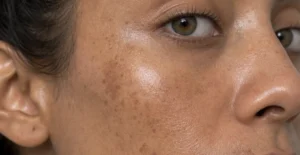
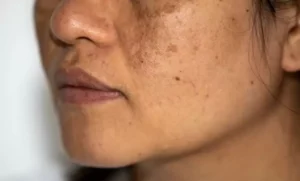
Melasma is a pigmentation condition in which certain areas of the skin produce or retain more pigment than usual. This leads to darker patches that are particularly common on the face. The patches are usually flat rather than raised. They may look light brown, dark brown, grey-brown, or a combination of these shades depending on the person’s skin tone and the depth of the pigmentation.
Melasma most commonly affects:
- Cheeks
- Forehead
- Upper lip
- Nose
- Chin
- Jawline
It is especially noticeable on the face because these areas are regularly exposed to sunlight and other environmental factors. Melasma may become darker during certain periods and lighter during others. Sun exposure, hormonal changes, heat, and other individual triggers can influence how noticeable it becomes. Unlike an injury or temporary skin irritation, melasma may require ongoing management. This is why identifying contributing factors and following a consistent skincare and treatment plan can be important.
What Causes Melasma?
Melasma does not have one single cause. Several factors may contribute to its development or make existing pigmentation more noticeable.
Sun Exposure
Ultraviolet radiation from sunlight is an important factor in melasma. Regular sun exposure can stimulate pigment production and may make existing patches darker.
Visible Light
Visible light can also contribute to pigmentation in some individuals, particularly those who are more prone to melasma.
Hormonal Changes
Hormonal changes can play an important role. Melasma is sometimes associated with pregnancy and may also occur in people using certain hormonal contraceptives or experiencing other hormonal changes.
Pregnancy
Melasma that develops during pregnancy is sometimes called “mask of pregnancy.” Hormonal changes during pregnancy can increase the tendency toward pigmentation.
Hormonal Contraceptives
Some people may notice melasma after starting hormonal contraceptives. However, this does not happen to everyone, and other factors can also be involved.
Family Tendency
Some people may have a greater tendency to develop melasma because of family or genetic factors.
Heat and Environmental Factors
Heat and prolonged environmental exposure may contribute to worsening pigmentation in some individuals.
Certain Medications
Some medications may increase sensitivity to light or influence pigmentation. Tell your dermatologist about any medicines you are taking so that your overall treatment plan can be considered appropriately.
Melasma often develops through a combination of factors rather than one isolated cause. Understanding these factors can help with long-term management.
What Are the Common Symptoms of Melasma?
Melasma usually appears as darker patches rather than a rash or raised lesion.
Common features include:
- Brown facial patches
- Grey-brown pigmentation
- Dark patches on the cheeks
- Uneven skin tone
- Symmetrical pigmentation
- Flat areas of darker skin
- Pigmentation around the upper lip
- Darker areas on the forehead or chin
Melasma is usually not painful or itchy. The main concern is often the visible change in skin color. However, not every dark patch on the face is melasma. Other pigmentation conditions can look similar, which is why professional evaluation can be useful before beginning treatment.
Where Does Melasma Usually Appear?
Melasma most commonly affects the central areas of the face.
It may appear on:
- Forehead
- Cheeks
- Upper lip
- Nose
- Chin
- Jawline
Some people have pigmentation mainly on their cheeks, while others develop patches across several areas. Facial Melasma Treatment in Indore should therefore be based on the actual pattern, extent, and characteristics of the pigmentation rather than simply treating all facial pigmentation in the same way.
What Are the Different Types of Melasma?
Dermatologists may describe melasma according to where the pigment appears within the skin.
Epidermal Melasma
In epidermal melasma, pigmentation is located more superficially within the upper layers of the skin. It may appear more clearly brown and can sometimes respond differently to treatment compared with deeper pigmentation.
Dermal Melasma
Dermal melasma involves pigment located deeper within the skin. The pigmentation may have a more greyish or blue-grey appearance and can sometimes be more difficult to manage.
Mixed Melasma
Mixed melasma has characteristics of both superficial and deeper pigmentation. A dermatologist may consider the appearance and other clinical characteristics of the pigmentation when planning treatment.
The exact type and response to treatment can vary between patients. Therefore, treatment should be individualized rather than based solely on the name of the pattern.
Who Is More Likely to Develop Melasma?
Melasma can occur in different people, but certain factors are associated with a greater tendency to develop it.
These may include:
- Hormonal changes
- Pregnancy
- Regular sun exposure
- Family history
- Certain hormonal medications
- Individual skin characteristics
- Repeated heat or environmental exposure
Having one of these factors does not mean that a person will definitely develop melasma. Likewise, someone without an obvious risk factor can still develop facial melasma.
How Is Melasma Diagnosed?
A dermatologist can usually evaluate melasma by examining the pigmentation and discussing your medical and skincare history.
A consultation may include:
Medical history
Understanding your general health and relevant medical history.Skin examination
Looking closely at the pigmentation and affected areas.Pigmentation pattern assessment
Examining the location, symmetry, color, and appearance of the patches.Trigger discussion
Discussing sun exposure, heat, hormonal changes, and other possible triggers.Skincare review
Reviewing your current skincare products and any products previously used.Medication review
Discussing relevant medicines or hormonal treatments.Previous treatment history
Understanding whether you have already tried creams, peels, lasers, or other pigmentation treatments.
A Melasma Specialist in Indore may also use specialized examination methods when appropriate to better understand the pigmentation. Accurate assessment is important because not every dark facial patch is melasma.
Melasma Treatment Options in Indore
The main goals of Melasma Treatment in Indore are to reduce the visibility of pigmentation, prevent further darkening, and maintain improvement.
Treatment is individualized according to factors such as:
- Skin type
- Pigmentation pattern
- Severity
- Duration of melasma
- Possible triggers
- Previous treatments
- Current skincare routine
- Individual response
A dermatologist may recommend one treatment or a combination of approaches.
Topical Treatments for Melasma
Topical treatment involves applying products directly to the affected skin.
Depending on the patient’s condition, a dermatologist may recommend categories of treatment such as:
- Pigment-reducing ingredients
- Skin-brightening agents
- Retinoid-based treatments when appropriate
- Other dermatologist-prescribed topical therapies
The appropriate product depends on the individual’s skin and pigmentation. Strong pigmentation creams should not be used without professional guidance. Incorrect use of certain products can cause irritation, dryness, or other unwanted skin changes and may make pigmentation more noticeable. A dermatologist can also advise how a treatment should fit into your overall skincare routine.
Chemical Peels for Melasma
Chemical peels use carefully selected substances to improve the appearance of the skin and may help reduce certain types of pigmentation. Chemical Peel for Melasma Treatment in Indore may be considered in selected patients depending on their skin type, pigmentation pattern, and previous treatment history. The type and strength of a peel matter. Melasma-prone skin can sometimes become irritated or develop increased pigmentation after an unsuitable procedure. For this reason, chemical peels should be selected and performed under appropriate professional guidance. A peel is not automatically the right choice for every person with melasma.
Laser and Light-Based Treatments for Melasma
Certain laser or light-based procedures may be considered for selected cases of melasma. These procedures can target pigment or influence pigmentation-related changes in the skin. However, they are not suitable for every patient.
Before considering a laser or light-based treatment, a dermatologist may assess:
- Skin type
- Pigmentation depth
- Melasma pattern
- Previous treatments
- Risk of post-treatment pigmentation
- Current skin condition
Irritation or inappropriate treatment can sometimes worsen pigmentation. Therefore, laser treatment should not be viewed as a universal solution or automatically considered the best option. Professional assessment is important before selecting any procedure.
Melasma Treatment With Combination Therapy
Melasma often requires more than one part of a treatment plan.
A dermatologist may combine approaches such as:
- Topical treatment + sunscreen
- Topical treatment + chemical peel
- Medical skincare + procedures
- Treatment + long-term maintenance care
Combination treatment does not mean that everyone needs multiple procedures. Instead, the approach is selected according to the patient’s pigmentation, skin type, previous treatment history, and response. The goal is to achieve improvement while minimizing unnecessary irritation and reducing the likelihood of worsening pigmentation.
Why Is Sunscreen Important in Melasma Treatment?
Sun protection is one of the most important parts of managing melasma. Ultraviolet radiation can stimulate pigmentation and may make existing melasma darker. Visible light may also contribute to pigmentation in some people. Daily sun protection can therefore support the overall treatment plan.
Helpful measures include:
- Using sunscreen regularly
- Reapplying sunscreen as appropriate
- Using physical protection such as hats
- Limiting prolonged direct sun exposure
- Seeking shade when possible
- Following your dermatologist’s sunscreen recommendations
Sunscreen is not simply an optional addition to Melasma Pigmentation Treatment in Indore. It can be an important part of both treatment and long-term prevention. Even after pigmentation improves, continued sun protection can help reduce the risk of recurrence.
Can Melasma Be Completely Removed?
Melasma can often be improved, but it cannot be guaranteed that pigmentation will disappear permanently. Melasma is often a long-term or recurring condition. Even when treatment produces significant improvement, pigmentation may return if contributing factors become active again.
Long-term management may involve:
- Consistent sun protection
- Trigger management
- Maintenance skincare
- Appropriate follow-up
- Treatment adjustments when needed
The response can vary significantly from one person to another. For this reason, a responsible Melasma Removal Treatment in Indore approach should focus on realistic improvement and long-term control rather than promising permanent removal.
How Long Does Melasma Treatment Take?
Melasma usually requires patience.
The time needed for visible improvement depends on several factors, including:
- Severity of pigmentation
- Duration of melasma
- Skin type
- Treatment method
- Trigger exposure
- Consistency with treatment
- Individual response
Some people may notice changes gradually, while others may require longer-term management. There is no guaranteed timeline that applies to everyone. Your dermatologist can explain what to expect based on your individual condition and treatment plan.
Can Melasma Come Back After Treatment?
Yes. Melasma can recur even after it has improved.
Common factors that may contribute to recurrence include:
- Sun exposure
- Hormonal changes
- Heat
- Stopping maintenance care
- Individual susceptibility
- Inconsistent sun protection
This does not mean treatment has failed. It reflects the chronic and recurring nature of melasma in many individuals. Long-term prevention and maintenance can therefore be an important part of care.
What Should You Avoid If You Have Melasma?
When dealing with facial pigmentation, experimenting with multiple products can sometimes make the situation worse.
Try to avoid:
- Excessive sun exposure
- Tanning
- Picking or rubbing the skin
- Harsh scrubs
- Unsupervised bleaching products
- Unprescribed strong creams
- Frequent changes to skincare products
- Aggressive home remedies
Skin irritation can sometimes increase pigmentation, particularly in people who are already prone to melasma. A simple, consistent skincare routine recommended by a dermatologist may be more useful than constantly trying new products.
What Should You Do Before Melasma Treatment?
Before beginning a professional treatment, tell your dermatologist about your current routine and previous treatments.
It can be helpful to discuss:
- Current skincare products
- Previous pigmentation treatments
- Any chemical peels
- Previous laser procedures
- Medicines and hormonal treatments
- Recent changes in pigmentation
- Possible triggers
- Any irritation or sensitivity
Your dermatologist may recommend changes to your routine before starting a procedure. Following pre-treatment instructions can help reduce unnecessary irritation and improve treatment planning.
What Should You Do After Melasma Treatment?
After treatment, follow the instructions provided by your dermatologist.
General care may include:
- Using sunscreen regularly
- Avoiding excessive sun exposure
- Avoiding irritating skincare products
- Keeping the skin moisturized if advised
- Not picking or rubbing treated areas
- Following prescribed skincare instructions
- Attending follow-up appointments when recommended
Aftercare is particularly important for melasma because excessive irritation or sun exposure can contribute to renewed pigmentation.
What Is the Melasma Treatment Cost in Indore?
The Melasma Treatment Cost in Indore can vary from one patient to another because treatment depends on the individual’s condition.
Factors that may influence the overall cost include:
- Severity of melasma
- Treatment approach
- Number of sessions
- Type of procedure
- Products or medicines prescribed
- Combination treatments
- Follow-up requirements
For example, a patient managed primarily with medical skincare may have different treatment requirements from someone undergoing procedures or combination therapy. There is therefore no single fixed price that can accurately represent treatment for every patient. A consultation is the best way to understand the recommended treatment plan and the expected associated costs.
Why Choose Professional Melasma Treatment?
Facial pigmentation can be difficult to manage with random skincare products.
Professional dermatological evaluation can help with:
Proper Diagnosis
Not every brown patch is melasma. A dermatologist can assess the pigmentation before treatment begins.
Identifying Possible Triggers
Sun exposure, hormonal changes, heat, skincare products, and other factors may contribute to melasma.
Personalized Treatment
Your skin type, pigmentation pattern, severity, and treatment history can all influence the treatment plan.
Appropriate Product Selection
A dermatologist can recommend suitable skincare and topical treatments while considering your skin’s sensitivity.
Monitoring Progress
Regular evaluation can help determine whether treatment is working and whether adjustments are needed.
Reducing Unnecessary Irritation
Aggressive or unsuitable treatments can sometimes worsen pigmentation. Professional guidance can help reduce unnecessary experimentation.
Long-Term Management
Because melasma may recur, maintaining improvement can require continued sun protection and appropriate maintenance care.
A Melasma Treatment Clinic in Indore can provide this type of structured approach rather than focusing only on short-term changes.
How Can You Prevent Melasma From Getting Worse?
Melasma cannot always be completely prevented, but certain habits can help reduce avoidable triggers.
Use Sunscreen Daily
Consistent sun protection is an important part of melasma management.
Limit Direct Sun Exposure
Try to avoid prolonged exposure during periods of strong sunlight when possible.
Use Physical Sun Protection
Hats, umbrellas, shade, and protective clothing can complement sunscreen.
Follow Your Dermatologist’s Skincare Plan
Consistency is generally more useful than frequently changing products.
Avoid Harsh Products
Scrubbing, irritating products, and aggressive home treatments can contribute to skin irritation.
Avoid Strong Creams Without Guidance
Do not use prescription-strength or bleaching products without appropriate professional advice.
Manage Known Triggers
If certain factors appear to worsen your pigmentation, discuss them with your dermatologist.
Continue Maintenance Care
Even after pigmentation improves, ongoing care may help reduce recurrence.