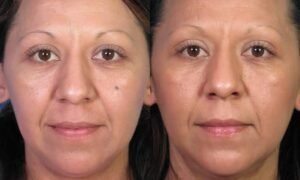
Mole Removal Treatment in Indore: Methods, Safety and Recovery
Skin moles are common. They may appear on the face, neck, arms, back, or other parts of the body. Some people have moles from childhood, while others develop new ones over time. Most moles are harmless, but some people choose to have them removed because of their appearance, repeated irritation, or medical concerns. Mole Removal Treatment in Indore begins with a professional assessment to understand the mole’s appearance, location, and characteristics. The right removal method depends on whether the mole is harmless, whether it needs further examination, and what result is medically appropriate.
A mole that changes in size, shape, or colour should be assessed before any cosmetic removal. Bleeding, persistent itching, or a sore that does not heal also deserves medical attention. These signs do not automatically mean cancer, but they should not be ignored. If you are considering mole removal, a qualified healthcare professional can explain the available options, possible scarring, recovery, and expected costs. This helps you make an informed decision about your skin health.
What Is Mole Removal Treatment?
A mole is a growth of pigment-producing cells in the skin. Moles can be flat or raised, light brown or dark brown, and small or relatively large. Their appearance varies from person to person. Mole removal treatment involves removing a mole using an appropriate medical procedure. The method depends on the mole’s depth, location, appearance, and whether there is any concern about an underlying skin condition.
Is Mole Removal Cosmetic or Medically Necessary?
People may choose mole removal for different reasons.
- Cosmetic reasons: A mole on the face or another visible area may affect a person’s confidence or appearance.
- Repeated irritation: A raised mole may rub against clothing, jewellery, or shaving equipment.
- Medical reasons: A dermatologist may recommend removal if a mole looks suspicious or needs laboratory examination.
- Diagnostic reasons: A tissue sample may be needed to determine what a particular skin growth is.
Not every mole needs to be removed. If a mole appears harmless and does not cause problems, monitoring it may be sufficient. A professional assessment helps determine the appropriate next step.
Why Do People Choose to Remove Skin Moles?
There are several reasons why someone may consider Skin Mole Removal in Indore.
Cosmetic Concerns
Some people feel uncomfortable about a visible mole on their face, neck, or another exposed area. They may want to understand whether removal is possible and what kind of scar could remain. The outcome depends on the mole and the procedure. It is important to discuss realistic expectations before deciding on treatment.
Irritation From Clothing or Shaving
Raised moles can sometimes catch on clothing, jewellery, or shaving equipment. Repeated rubbing may cause irritation or occasional bleeding. A healthcare professional can assess whether removal is appropriate and explain how to reduce further irritation.
Medical Assessment
A mole that changes or looks unusual may need closer examination. In such cases, the priority is to establish the diagnosis rather than choose a procedure purely for cosmetic reasons. A dermatologist may recommend removal and laboratory examination when medically indicated.
When Should a Mole Be Examined by a Dermatologist?
Most moles are harmless, but it is important to notice changes. The ABCDE guide can help you identify features that deserve medical assessment.
- A — Asymmetry: One half of the mole looks different from the other.
- B — Border: The edges are irregular, uneven, or poorly defined.
- C — Colour: The mole has several colours or develops a new colour.
- D — Diameter: The mole is larger than expected. However, concerning lesions can also be smaller.
- E — Evolving: The mole changes in size, shape, colour, or appearance over time.
Other warning signs include persistent itching, unexplained bleeding, tenderness, or a sore that does not heal. These features do not automatically mean that a mole is cancerous. However, they should be evaluated before a cosmetic procedure is considered. If you notice a suspicious mole, avoid attempting to remove it at home. Seek medical advice so that the appropriate examination and any necessary testing can be arranged.
Which Mole Removal Methods Are Available?
The best method depends on the type of mole, its depth, location, and medical assessment. Different procedures are suitable for different situations.
Surgical Excision
Surgical excision involves removing the mole and a small amount of surrounding tissue when clinically appropriate. The wound may be closed with stitches. This method can be useful when the entire lesion needs to be removed and examined in a laboratory. A tissue examination may help establish the diagnosis. Excision can leave a scar, and the final appearance depends on factors such as the location, size, technique, and individual healing.
Shave Removal
Shave removal involves removing a raised skin lesion at or near the skin surface using a suitable medical instrument.It may be considered for selected lesions after examination. However, it is not appropriate for every mole, especially when the lesion requires complete removal or deeper tissue examination. A healthcare professional should explain the benefits and limitatons of this method before treatment.
Biopsy or Laboratory Examination
If a mole looks suspicious or its diagnosis is uncertain, a biopsy or other appropriate tissue examination may be recommended. The sample is assessed by a laboratory to help determine the nature of the lesion. The choice of procedure should preserve the opportunity for an accurate diagnosis when necessary.
Are All Moles Suitable for Removal?
No. The correct approach depends on the individual mole. Some moles can be monitored, some may be removed for cosmetic reasons after assessment, and others need diagnostic evaluation. A procedure should not be chosen simply because it is quick or marketed as a cosmetic treatment.
Is Laser Mole Removal in Indore Suitable for Every Mole?
Laser Mole Removal in Indore may be considered for selected skin lesions, but laser treatment is not suitable for every mole. A laser uses concentrated light energy to target tissue. Whether it is appropriate depends on the nature of the lesion and the clinical reason for treatment.
When Might Laser Treatment Be Considered?
A healthcare professional may consider a laser or another technique for certain lesions after establishing that the approach is appropriate. However, some pigmented moles need to be preserved as tissue samples for laboratory examination. Using a method that destroys the tissue may make it harder to obtain the information needed for diagnosis.
Is Laser Removal Better Than Surgery?
Not necessarily. Laser treatment is not automatically safer, more effective, or less likely to leave a scar than other methods. For a suspicious mole, diagnostic assessment and appropriate tissue examination take priority over cosmetic convenience. The healthcare professional should explain which method is suitable and why. Before choosing Laser Mole Removal in Indore, ask about the diagnosis, available alternatives, possible pigment changes, scarring, and whether laboratory examination is needed.
What Is Facial Mole Removal and Is It Safe?
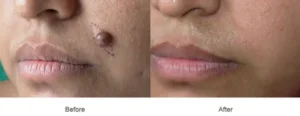
Facial Mole Removal in Indore requires careful planning because facial skin is visible and the cosmetic result may be particularly important to the patient. The appropriate approach depends on the mole’s size, depth, location, appearance, and medical characteristics.
What Should You Consider Before Facial Mole Removal?
Important considerations include:
- Whether the mole has been properly assessed.
- Whether the lesion needs tissue examination.
- The potential for scarring or changes in skin colour.
- The location of the mole and how the wound may heal.
- The aftercare required following the procedure.
A small mole does not always require a simple procedure, and a larger mole does not automatically mean that removal is impossible.
Can Facial Mole Removal Be Scar-Free?
No procedure that removes skin tissue can guarantee a completely scar-free result. The scar may be subtle, but its appearance varies depending on the method, depth, location, and individual healing. A professional consultation can help you understand the likely outcome and decide whether removal is worthwhile.
What Is the Difference Between Raised Mole Removal and Small Mole Removal?
Raised Mole Removal in Indore and Small Mole Removal in Indore may involve different approaches because moles vary in shape, depth, and structure.
Raised Mole Removal
A raised mole may catch on clothing or become irritated during shaving. Depending on its appearance and diagnosis, a healthcare professional may consider shave removal, surgical excision, or another suitable approach. The mole should be assessed before treatment, especially if it has changed or bleeds repeatedly.
Small Mole Removal
A small mole may be flat or raised. Its size alone does not determine whether it is harmless or which procedure is appropriate. Even a small lesion may require further examination if it has suspicious features. Conversely, a larger mole may be harmless. The priority is to identify the lesion correctly and choose a suitable treatment method.
What Happens During a Mole Removal Consultation in Indore?
A Mole Removal Consultation in Indore helps determine whether removal is appropriate and which method may be suitable.
A typical consultation may include the following steps.
- Discussing your concerns: You can explain why you want the mole removed, whether it causes irritation, and whether you have noticed any changes.
- Reviewing your medical history: The healthcare professional may ask about previous skin conditions, medicines, allergies, and relevant health concerns.
- Examining the mole: The mole and surrounding skin are assessed for appearance, size, location, and any warning signs.
- Discussing suitable options: The professional explains possible procedures, risks, recovery, and expected cosmetic results.
- Considering further testing: A biopsy or laboratory examination may be recommended if clinically necessary.
- Planning aftercare: You receive instructions about wound care and any follow-up appointment.
Removal may not happen during the first appointment. If the mole needs further assessment, establishing the diagnosis takes priority.
Is Mole Removal Surgery in Indore Painful?
Mole Removal Surgery in Indore often involves local anaesthesia for minor procedures. This numbs the treatment area to reduce discomfort during removal. You may feel a brief sting when the anaesthetic is injected. During the procedure, you may notice pressure or movement, but the area should be appropriately numbed. Mild soreness, swelling, or tenderness may occur after the anaesthetic wears off. The amount of discomfort depends on the procedure, the location of the mole, and individual sensitivity. Your healthcare professional can explain what to expect and provide suitable aftercare instructions. Contact the provider if pain becomes severe or increases rather than improving.
How Long Does Mole Removal Take to Heal?
Recovery varies according to the removal method, wound size, body location, and individual healing. A superficial wound may heal differently from a surgical wound that requires stitches. Areas exposed to friction or movement may also need particular care.
What Aftercare Is Important?
Follow the instructions provided by your healthcare professional. General guidance may include:
- Keep the area clean according to the recommended wound-care plan.
- Use only the dressings or wound-care products advised by your clinician.
- Avoid picking at scabs or disturbing the healing wound.
- Avoid activities that may stretch or injure the treated area until advised.
- Protect healing skin from excessive sun exposure.
- Attend follow-up appointments if recommended.
Do not assume that the skin is fully healed just because the surface looks better. Follow the clinician’s advice about activity, wound care, and stitch removal when applicable. Seek medical advice if you develop increasing redness, worsening pain, spreading swelling, pus, fever, or other signs of a possible infection.
Can Mole Removal Leave a Scar?
Yes. Any procedure that removes skin tissue can leave a scar. The appearance may range from a faint mark to a more noticeable line or change in skin texture.
Factors that influence scarring include:
- The size and depth of the mole.
- The removal method.
- The location on the body.
- Your skin’s healing response.
- Wound care during recovery.
- Any infection or repeated injury during healing.
Facial skin and other visible areas may require particular attention to cosmetic planning. However, even a carefully performed procedure cannot guarantee a perfect result. Before treatment, ask about the likely scar, the healing process, and whether the chosen technique is appropriate for both diagnosis and cosmetic goals.
How Much Does Mole Removal Cost in Indore?
The Mole Removal Cost in Indore depends on several factors. An exact estimate usually requires assessment of the mole and the procedure being considered.
Factors that may affect the total cost include:
- The number of moles being assessed or removed.
- The size, depth, and location of each mole.
- The removal method.
- Consultation and follow-up charges.
- Whether local anaesthesia or stitches are needed.
- Whether a biopsy or laboratory examination is recommended.
A straightforward procedure and a removal that requires tissue examination may have different costs. When contacting a provider, ask what the quoted fee includes and whether laboratory testing or follow-up visits are charged separately. Request a current estimate before agreeing to treatment. No specific price should be assumed without confirmation from the clinic.
Is Mole Removal Different for Men and Women?
The medical principles behind Mole Removal for Men in Indore and Mole Removal for Women in Indore are generally similar. The suitable method depends on the mole’s appearance, depth, location, medical assessment, and the person’s individual needs. Men may seek removal because a mole catches during shaving or becomes irritated by clothing. Women may seek removal because of cosmetic concerns or repeated irritation. These are individual preferences, not strict differences in treatment. Both men and women should have changing or suspicious moles examined before cosmetic removal. A healthcare professional can explain the available procedures, possible scars, and expected recovery.
Can a Mole Grow Back After Removal?
Some moles or pigmented lesions may become visible again after removal. This can depend on the type of lesion, the technique used, and whether some mole cells remain in the skin. A returning mole does not automatically mean that something serious is wrong. However, it should be examined, especially if it changes in colour, size, or shape. If a mole returns at a previous removal site, arrange a review with a qualified healthcare professional. The clinician can assess the area and determine whether further examination or treatment is necessary. Follow-up is particularly important when the original mole was suspicious or when laboratory examination recommended additional monitoring.
How Can You Choose the Right Mole Removal Dermatologist in Indore?
Choosing a suitable provider is an important part of safe mole removal.
When searching for a Mole Removal Dermatologist in Indore, consider the following points:
- Appropriate qualifications: Check the provider’s medical qualifications and relevant experience.
- Careful assessment: The mole should be examined before a cosmetic procedure is selected.
- Clear explanation of options: You should understand why a method is recommended and what alternatives may be available.
- Honest discussion of risks: Ask about scarring, pigment changes, infection, recurrence, and recovery.
- Access to diagnostic evaluation: Suspicious lesions should be assessed appropriately, with biopsy or referral when necessary.
- Transparent costs: Request information about the procedure, laboratory charges, and follow-up.
- Aftercare and follow-up: Make sure you know whom to contact if you have concerns after treatment.
A Mole Removal Specialist in Indore or Dermatologist for Mole Removal in Indore should help you understand both the medical and cosmetic aspects of treatment. Rather than choosing a provider based only on advertising or a low price, prioritise appropriate assessment, clear communication, and a treatment plan suited to your mole.
Where Can You Find Mole Removal in Vijay Nagar, Indore?
If you are looking for Mole Removal in Vijay Nagar, Indore, start by finding a qualified healthcare professional who can assess the mole and explain the available options. When contacting a Mole Removal Clinic in Indore, ask whether the provider offers mole assessment, which removal methods are available, and whether suspicious lesions can be sent for laboratory examination when needed. People searching for a Mole Removal Doctor Near Vijay Nagar or the Best Mole Removal Treatment in Indore should compare the quality of assessment, the suitability of the recommended procedure, aftercare, and transparency about costs. The best approach is the one that fits the specific mole and its medical needs, not necessarily the newest or most heavily advertised technique. Dr. Vaishali Singh’s availability for mole removal and the specific procedures offered at her clinic have not been confirmed here. Contact the clinic directly to ask whether it provides mole assessment and removal or can arrange an appropriate referral.
How Can You Find Mole Removal Near Scheme No. 78 or Dewas Naka?
If you are searching for Mole Removal Near Scheme No. 78 or Mole Removal Near Dewas Naka, look for a qualified healthcare provider who can examine the mole before recommending a procedure.
Before booking, confirm:
- Whether the provider assesses changing or suspicious moles.
- Which removal methods are available.
- Whether laboratory examination can be arranged when needed.
- What the consultation and procedure costs include.
- What aftercare and follow-up are provided.
Do not assume that every clinic offering cosmetic skin treatments is equipped to assess every type of mole. A provider should be able to explain when removal is appropriate and when further evaluation is needed.