Why does a fungal infection keep coming back even after using a cream?
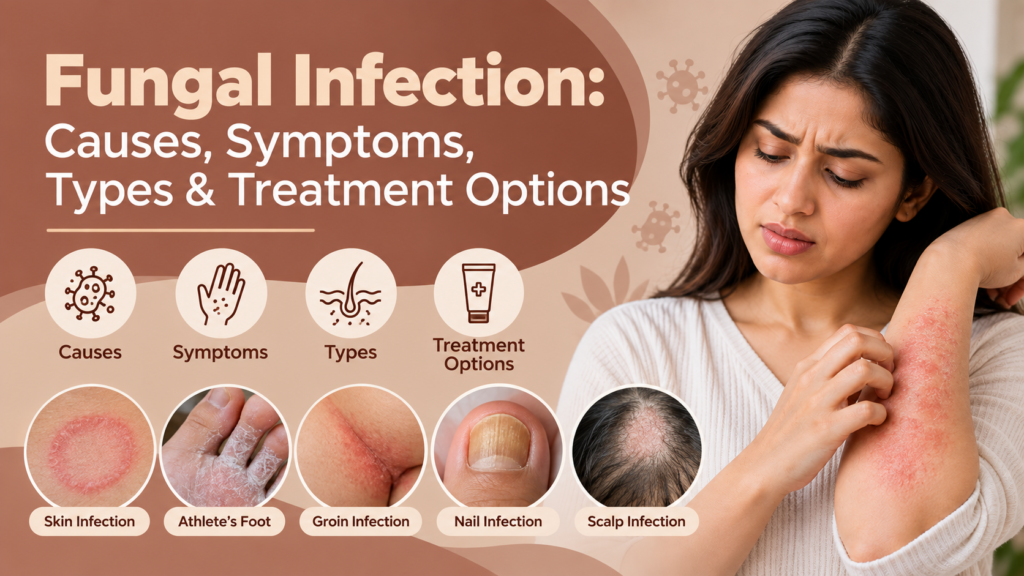
If you have ever dealt with repeated itching, redness, scaling, or irritation, you may have wondered whether it is a fungal infection. These infections can be uncomfortable and frustrating, especially when the symptoms improve for a while and then return. Fungal infections can affect different parts of the body, including the skin, feet, groin, skin folds, nails, and scalp. Warm weather, sweating, humidity, and moisture can create conditions in which certain fungi grow more easily. However, not every itchy or red patch is a fungal infection. Eczema, allergies, psoriasis, bacterial infections, and other skin conditions can sometimes look similar. This is why proper diagnosis matters. Fungal Infection Treatment in Indore depends on the type of infection, where it occurs, how severe it is, and whether it has happened before. Let us understand the common causes, symptoms, types, treatment options, and ways to prevent fungal infections from coming back.
What Is a Fungal Infection?
A fungal infection is an infection caused by fungi. Fungi are organisms that can live in the environment and, in some cases, on the human body. Certain fungi can multiply excessively when conditions are suitable. Warmth, moisture, sweating, and poor ventilation can create an environment that allows some types of fungi to grow.
Common areas affected by fungal infections include:
- Feet
- Groin
- Inner thighs
- Underarms
- Skin folds
- Nails
- Scalp
- Other areas of the skin
Having a fungal infection does not mean that a person has poor hygiene. These infections can happen to anyone, particularly when there is frequent sweating or exposure to warm and damp environments. Different fungal infections can also behave differently. A superficial skin infection may be managed differently from a fungal nail or scalp infection.
Why Do Fungal Infections Happen?
Fungal infections can develop when certain fungi find suitable conditions to grow. Several factors may increase the likelihood of infection.
Excessive Sweating
Frequent sweating can leave the skin damp for longer periods. This is especially important in areas such as the feet, groin, underarms, and skin folds.
Humid Weather
Warm and humid weather can encourage fungal growth. People living in or travelling to humid environments may notice more problems with fungal infections during certain seasons.
Staying in Damp Clothes
Wearing sweaty clothes for a long time can keep the skin warm and moist. Changing into clean, dry clothes after exercise or heavy sweating can help reduce prolonged moisture.
Tight or Non-Breathable Clothing
Tight clothing may trap heat and moisture against the skin. Breathable fabrics can be more comfortable, especially during hot weather.
Walking Barefoot in Shared Wet Areas
Swimming pools, changing rooms, showers, and other shared wet areas can expose people to certain fungi. Wearing suitable footwear in shared wet areas can reduce direct contact with potentially contaminated surfaces.
Sharing Personal Items
Some fungal infections can spread through shared towels, clothing, footwear, bedding, or other personal items.
Poor Ventilation
Areas that remain warm, damp, and poorly ventilated can encourage fungal growth.
Certain Medical Conditions
Some health conditions may increase the risk of fungal infections. A weakened immune system can also make certain infections more likely or harder to manage. If fungal infections keep returning, it may be useful to discuss possible contributing factors with a healthcare professional.
Can Humidity and Sweating Cause Fungal Infections?
Humidity and sweating do not automatically cause a fungal infection, but they can create conditions that allow some fungi to grow more easily.
For example, you may be more likely to experience fungal skin problems when you:
- Sweat heavily during exercise
- Spend a lot of time outdoors
- Wear sweaty gym clothes for several hours
- Stay in wet clothes
- Experience humid or monsoon weather
- Do not dry skin folds properly
- Wear shoes that keep your feet damp
Keeping the skin dry can therefore be an important part of prevention. If you regularly experience fungal infections despite taking these precautions, professional evaluation may help identify the reason.
What Are the Symptoms of a Fungal Infection?
The symptoms depend on the type of fungal infection and the area affected.
Common signs can include:
- Itching
- Redness
- Scaling
- Peeling or dry skin
- Burning
- Cracks in the skin
- Ring-shaped patches
- Moist or irritated skin folds
- Changes in nail colour or thickness
- Brittle nails
- Scaling of the scalp
- Hair loss in some scalp infections
Some fungal infections have a clearly defined border, while others may appear as diffuse redness or scaling. Because several skin conditions can produce similar symptoms, it is not always possible to confirm a fungal infection simply by looking at it.
What Are the Different Types of Fungal Infections?
Fungal infections can affect different parts of the body. Some common types include the following.
What Is Ringworm?
Despite its name, ringworm is not caused by a worm. It is a fungal infection of the skin. It can produce itchy, scaly patches that may have a ring-like appearance. Ringworm can affect different parts of the body, including the arms, legs, trunk, or other skin areas. It can spread through direct contact or through contaminated personal items in some cases. Treatment depends on the location and severity of the infection.
What Is Athlete’s Foot?
Athlete’s foot is a fungal infection that affects the feet, particularly the areas between the toes.
Common symptoms may include:
- Itching
- Scaling
- Peeling skin
- Cracks
- Burning or discomfort
- Moist or whitish skin between the toes
Keeping the feet dry is important. Change sweaty socks regularly and dry carefully between the toes after bathing. Shared wet areas such as gym showers and changing rooms can also be potential sources of exposure.
Can Fungal Infections Affect the Groin?
Yes. Fungal infections can affect the groin and inner thigh area. Warmth, sweating, moisture, and tight clothing can contribute to fungal growth in this region. The affected skin may become itchy, red, scaly, or irritated. Because several conditions can cause rashes in the groin area, persistent symptoms should be evaluated rather than repeatedly using different creams.
Can Fungal Infections Affect Skin Folds?
Yes. Skin folds can remain warm and moist, which may make them more vulnerable to certain fungal infections.
Common areas include:
- Underarms
- Under the breasts
- Abdomen folds
- Groin folds
- Other areas where skin touches skin
Keeping these areas clean and dry can help reduce moisture. If redness, itching, burning, or irritation keeps returning, a dermatologist can help determine the cause.
What Is a Fungal Nail Infection?
A fungal nail infection affects the nail and surrounding structures.
Common signs may include:
- Thickened nails
- Yellowish or other discoloration
- Brittle nails
- Changes in nail shape
- Nail material becoming crumbly
- Separation of the nail from the nail bed in some cases
Nail infections can take longer to treat than some superficial skin infections. Because nail changes can also occur for reasons other than fungus, proper diagnosis is important before starting treatment.
Can a Fungal Infection Affect the Scalp?
Yes. Some fungal infections can affect the scalp.
Symptoms may include:
- Itching
- Scaling
- Redness
- Broken hairs
- Areas of hair loss
Scalp fungal infections may require medical treatment and should not simply be treated with ordinary skin creams. If a child or adult develops unexplained scalp scaling with hair loss, a dermatologist should evaluate the condition.
Is a Fungal Infection Contagious?
Some fungal infections can spread from one person to another.
Transmission may occur through:
- Direct skin contact
- Shared towels
- Clothing
- Bedding
- Personal items
- Shared wet surfaces
- Certain infected animals in some cases
However, not every fungal infection spreads in exactly the same way. If someone in your household has a contagious fungal infection, avoid sharing towels, clothing, footwear, or other personal items. Wash and dry these items properly. There is no need to panic or isolate yourself unnecessarily. Simple hygiene and appropriate treatment can help reduce the risk of spread.
Who Is More Likely to Develop a Fungal Infection?
Anyone can develop a fungal infection, but certain situations may increase the risk.
These include:
- Frequent sweating
- Hot and humid environments
- Regular gym or sports activities
- Tight clothing
- Frequent exposure to shared wet areas
- Wearing damp footwear for long periods
- Certain medical conditions
- Weakened immunity
- Previous fungal infections
Having one or more of these factors does not mean you will definitely develop an infection. If infections repeatedly return, it is worth discussing the pattern with a dermatologist.
Why Do Fungal Infections Keep Coming Back?
This is one of the most frustrating parts of dealing with fungal infections.
A fungal infection may return for several reasons.
Treatment Was Stopped Too Early
Symptoms may improve before the infection has been completely controlled. Stopping treatment too soon can sometimes contribute to recurrence.
The Diagnosis Was Incorrect
Not every itchy rash is fungal. Eczema, psoriasis, allergies, and other conditions can look similar.
If the original problem was not actually a fungal infection, repeatedly using antifungal products may not solve it.
The Wrong Treatment Was Used
Different fungal infections may require different approaches. A treatment suitable for one type of infection may not be appropriate for another.
Moisture Continues
If sweating, damp clothing, or moisture in skin folds continues, the conditions that supported fungal growth may remain.
Re-Exposure Occurs
A person may become exposed again through contaminated towels, clothing, footwear, bedding, shared surfaces, or contact with an infected person or animal.
The Infection Is Difficult to Treat
Nail and scalp fungal infections can require a different approach and may take longer to manage.
Underlying Factors
Certain medical conditions or immune-related factors may contribute to repeated infections.
If a fungal infection keeps coming back, do not simply keep buying the same cream. A dermatologist can reassess the diagnosis and look for possible reasons for recurrence.
Can You Treat a Fungal Infection at Home?
Some mild superficial fungal infections may be managed with appropriate antifungal treatment, but knowing that the condition is actually fungal is important.
Supportive habits can include:
- Keep the affected area clean and dry
- Change sweaty clothes promptly
- Wear breathable clothing
- Dry carefully after bathing
- Keep feet dry
- Change damp socks
- Wash towels and clothing regularly
- Avoid sharing personal items
- Wear suitable footwear in shared wet areas
- Follow the treatment plan recommended by a healthcare professional
Do not assume that a cream that helped someone else will be appropriate for your rash. If symptoms are spreading, recurring, severe, or not improving, professional evaluation is a better option.
Which Home Remedies for Fungal Infection Should You Avoid?
You may find many home remedies online claiming to treat fungal infections. Be cautious.
Applying substances such as:
- Lemon juice
- Vinegar
- Baking soda
- Undiluted essential oils
- Toothpaste
- Strong herbal mixtures
- Harsh scrubs
may irritate the skin.
Irritated skin can become more uncomfortable and may make it harder to understand what is actually causing the rash. “Natural” does not automatically mean safe or effective for a fungal infection. If you suspect a fungal infection, appropriate diagnosis and treatment are generally safer than experimenting with several DIY remedies.
When Should You See a Dermatologist for Fungal Infection?
You should consider professional evaluation when:
- The infection keeps returning
- The rash is spreading
- Itching is severe
- The nails are affected
- The scalp is affected
- There is significant pain
- You are unsure whether the rash is fungal
- Home care is not helping
- Several areas are affected
- You have certain underlying medical conditions
A Dermatologist for Fungal Infection in Indore can examine the affected skin and determine whether the problem is likely to be fungal or another skin condition. This is particularly important for recurring infections because repeatedly treating the wrong condition can delay appropriate care.
How Is a Fungal Infection Diagnosed?
A dermatologist may begin by examining the appearance and location of the rash.
They may also ask about:
- When the symptoms started
- Whether the rash has occurred before
- Previous treatments
- Sweating and lifestyle
- Recent travel
- Contact with infected people or animals
- Shared towels or other personal items
- Other medical conditions
In some cases, additional testing may be recommended to confirm the diagnosis. Accurate diagnosis matters because fungal infections can sometimes resemble eczema, psoriasis, allergies, or bacterial infections. The right diagnosis helps guide the right treatment.
What Is Fungal Infection Treatment in Indore?
Fungal Infection Treatment in Indore depends on the type of infection, its location, severity, duration, and whether it has returned.
Treatment may involve different approaches depending on the individual case.
Topical Antifungal Treatment
Topical antifungal medicines may be used for selected superficial fungal infections. The choice of treatment depends on the type and location of the infection. It is important to use treatment according to professional advice rather than choosing a product only because it worked for someone else.
Oral Antifungal Treatment
Some fungal infections may require oral antifungal medicines. These medicines should be taken only under appropriate medical supervision because the choice of medicine depends on the infection and the patient’s medical history. Do not self-medicate with prescription antifungal medicines.
Treatment for Nail or Scalp Fungal Infection
Nail and scalp infections may require a different treatment approach from ordinary superficial skin infections. They may take longer to manage and sometimes require additional evaluation. A dermatologist can determine which approach is appropriate after examining the infection.
What Is the Best Fungal Infection Treatment in Indore?
People often search for the Best Fungal Infection Treatment in Indore, but there is no single treatment that is suitable for every fungal infection.
The right treatment depends on:
- Type of fungus
- Location of infection
- Severity
- Duration
- Previous treatment
- Recurrence
- Overall health
- Other medicines or medical conditions
A cream that is suitable for a superficial skin infection may not be appropriate for a nail or scalp infection. This is why correct diagnosis should come before choosing treatment.
Fungal Infection Treatment in Vijay Nagar, Indore
If you are searching for Fungal Infection Treatment in Vijay Nagar, Indore, persistent itching, scaling, redness, or recurring rashes should be properly evaluated. A dermatologist can examine the affected area and determine whether the symptoms are actually due to a fungal infection. Avoid repeatedly switching between creams without knowing the cause. If a rash keeps returning, it may need a fresh assessment rather than another round of the same treatment.
Looking for a Fungal Infection Doctor Near Vijay Nagar?
When searching for a Fungal Infection Doctor Near Vijay Nagar, look for professional dermatological care, especially if the infection is recurring or not improving.
A proper consultation may involve:
- Examination of the affected skin
- Review of previous treatment
- Understanding possible sources of exposure
- Checking for other skin conditions
- Creating an appropriate treatment plan
- Prevention advice
- Follow-up when necessary
The goal is not simply to make the rash disappear temporarily. Identifying the cause can help reduce unnecessary recurrence.
Looking for a Dermatologist Near Scheme No. 78?
People around Scheme No. 78 who have recurring fungal infections, unexplained rashes, or persistent itching can consider consulting a Dermatologist Near Scheme No. 78. Professional assessment can be particularly helpful if basic care has not improved the problem or if the infection affects the nails, scalp, or multiple body areas. Because fungal infections can look similar to other skin conditions, diagnosis should be based on the overall clinical picture rather than appearance alone.
Fungal Infection Treatment for Adults in Indore
Fungal infections can affect adults of all ages.
Adult risk factors may include:
- Workplace sweating
- Gym and sports activities
- Tight clothing
- Frequent travel
- Humid environments
- Repeated exposure to moisture
- Certain medical conditions
Fungal Infection Treatment for Adults in Indore depends on the type and location of the infection. If an infection repeatedly comes back, it is better to investigate why rather than repeatedly treating the symptoms. A dermatologist can assess the condition and determine whether additional evaluation is needed.
How Can You Prevent Fungal Infections From Coming Back?
A few practical habits can help reduce the conditions that encourage fungal growth.
Keep Skin Folds Dry
After bathing, gently dry areas such as the underarms, groin, and other skin folds.
Change Sweaty Clothes Quickly
Do not remain in wet or sweaty clothes longer than necessary.
Choose Breathable Clothing
Comfortable, breathable fabrics may help reduce heat and moisture around the skin.
Dry Your Feet Properly
Pay attention to the spaces between your toes. Dampness can encourage fungal growth.
Do Not Share Towels
Avoid sharing towels, clothing, socks, footwear, or other personal items when a fungal infection may be contagious.
Wash Towels and Clothing Regularly
Clean and dry items that come into frequent contact with the affected skin.
Use Footwear in Shared Wet Areas
Wear appropriate footwear in public showers, changing rooms, and other shared wet environments.
Avoid Scratching
Scratching can irritate the skin and may contribute to spreading infection to other areas.
Follow Your Treatment Plan
If a dermatologist has recommended treatment, follow the instructions carefully and do not stop or change it without advice.
Do Not Reuse Old Creams Without Advice
An old cream may not be appropriate for a new rash. The condition may have a different cause this time.
Why Consult Dr. Vaishali Singh for Fungal Infection Treatment in Indore?
Recurring fungal infections can be frustrating, particularly when symptoms improve temporarily and then return. Dr. Vaishali Singh, Dermatologist in Indore, can assess the skin and consider factors such as the appearance, location, duration, previous treatment, and possible causes of recurrence.
A consultation may help with:
- Proper skin examination
- Identifying the likely type of fungal infection
- Differentiating fungal infection from similar-looking conditions
- Understanding recurring infections
- Selecting treatment according to the infection
- Identifying contributing factors
- Providing prevention advice
- Planning follow-up when required
Fungal Infection Treatment in Indore should be based on the individual patient’s condition rather than a one-treatment-fits-all approach.
Frequently Asked Questions
Fungal Infection Treatment in Indore depends on the type, location, and severity of the infection. A dermatologist may first confirm whether the problem is actually fungal before recommending an appropriate treatment plan. Treatment can differ for skin, nail, scalp, or recurring infections. Supportive care such as keeping the affected area dry may also be important, but treatment should be based on the individual diagnosis.
A Dermatologist for Fungal Infection in Indore can be consulted when itching, redness, scaling, or a rash does not improve, keeps returning, spreads to other areas, or affects the nails or scalp. Professional diagnosis can help avoid using the wrong cream for a condition that may look similar to a fungal infection. It is also useful when symptoms are persistent or affecting daily comfort.
People looking for Fungal Infection Treatment in Vijay Nagar, Indore can consult a dermatologist for proper examination and diagnosis. The appropriate treatment depends on the location and type of infection. Repeatedly using over-the-counter creams without knowing the cause may not be helpful, particularly when the rash keeps returning. A professional evaluation can help determine the appropriate next step.
The Best Fungal Infection Treatment in Indore is different for each patient. A treatment that may be suitable for a simple superficial skin infection may not be appropriate for a nail or scalp infection. Proper diagnosis helps determine which treatment approach is appropriate for the individual. The patient's medical history, previous treatments, infection location, and recurrence may also influence the treatment plan.
When searching for a Fungal Infection Doctor Near Vijay Nagar, patients should consider professional dermatological evaluation, especially when the infection is recurring or not improving. A dermatologist can examine the affected area, consider other possible skin conditions, review previous treatment, and recommend appropriate treatment and prevention steps. This can be particularly helpful when the original diagnosis is uncertain.
A Dermatologist Near Scheme No. 78 can help when a suspected fungal infection is spreading, recurring, very itchy, painful, or not improving with basic care. Professional evaluation is particularly useful when the diagnosis is uncertain or the infection affects the nails, scalp, or multiple areas. A dermatologist can determine whether the symptoms are actually fungal and recommend an appropriate treatment approach.